Guide Wire Power Pole: A Comprehensive Guide
Guide wire power poles utilize tensioned cables for stability, often sparking property disputes and safety concerns, as highlighted by recent online discussions and tragic incidents.
What is a Guide Wire Power Pole?
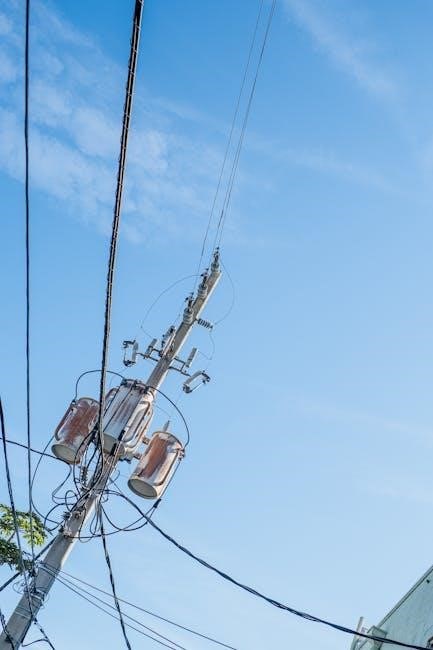
Guide wire power poles, commonly seen supporting utility or telecommunication lines, rely on tensioned cables – the “guide wires” – anchored to the ground for stability. These poles aren’t self-supporting and require these wires to counteract bending forces, especially from wind and ice. Recent online forums reveal homeowners often encounter these wires unexpectedly appearing on their property, leading to questions about their purpose and legality. The systems involve anchors, wires, and tensioning devices, creating a network designed to prevent pole failure and ensure continued service.
Purpose of Guide Wires
Guide wires are crucial for providing structural support to power poles, preventing them from tilting or falling, particularly under stress from weather conditions like strong winds or ice accumulation. They counteract the weight and forces acting on the pole, ensuring the continued delivery of essential services. Online discussions emphasize that these wires are installed to enhance safety and reliability, though their presence can raise concerns about potential hazards and property rights.
Components of a Guide Wire System
A typical guide wire system comprises several key elements working in unison. These include robust anchor rods and plates embedded in the ground, the guide wires themselves – often galvanized steel – and adjustable turnbuckles and fittings. These components create tension, stabilizing the pole. Proper installation, utilizing expanding anchors, is vital for effective support, as noted in recent online forums.
Anchor Rods and Plates
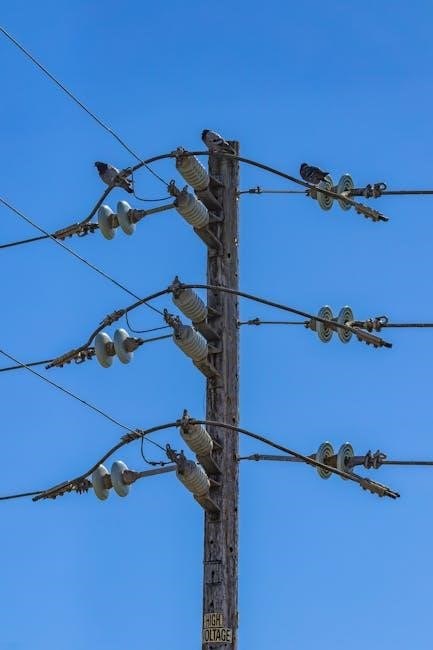
Anchor rods and plates form the foundational support for guide wire systems. They are typically installed using manual digging techniques with post hole diggers, securing an expanding anchor into the earth. These components must withstand significant tension, ensuring the pole’s stability. Their proper placement is crucial, preventing failures and maintaining system integrity, as emphasized in online discussions.
Guide Wires Themselves (Material & Gauge)
Guide wires are commonly constructed from galvanized steel, offering robust strength and corrosion resistance. Stainless steel presents a more durable, albeit costlier, alternative. The appropriate wire gauge is critical, determined by pole height, wind load, and local regulations. Insufficient gauge compromises stability, while excessive gauge increases expense, demanding careful engineering considerations;
Turnbuckles and Fittings
Turnbuckles are essential components, enabling precise tension adjustment of guide wires. Regular inspection for corrosion is vital, as compromised turnbuckles significantly reduce system integrity. High-quality fittings, securely connected to both the anchor and the pole, are paramount for distributing load effectively and preventing failures. Proper installation ensures longevity and safety.
Safety Hazards Associated with Guide Wires
Guide wires present significant electrocution risks if contacted while energized, tragically demonstrated by incidents involving contact with grounded lines. Physical injury from tripping or impact is also a concern, especially with low visibility. A Reddit post details a fatal mower accident, emphasizing the need for high-visibility markers.
Electrocution Risks (Contact with Power Lines)
Electrocution is a severe hazard when guide wires become energized, as illustrated by a case where a telecom worker fatally contacted a wire with a grounded connection. Awareness of the danger was present for fifteen agonizing seconds. Proper insulation and maintaining safe distances are crucial preventative measures.
Physical Injury (Tripping, Impact)
Guide wires present significant physical risks, including tripping hazards and potential impact injuries, especially when unmarked. A tragic incident involved a contractor struck in the neck by a wire while operating a zero-turn mower. High-visibility markers, like PVC piping and flags, are essential for preventing such accidents.
Case Studies of Accidents Involving Guide Wires
A harrowing case detailed a telecom worker’s fatal electrocution after contacting a grounded line while simultaneously touching a guide wire. He experienced a full 15 seconds of awareness during the event. These incidents underscore the lethal potential when power lines interact with guide wire systems, demanding stringent safety protocols.
Legal Considerations and Property Rights
Guide wire placement often raises legal questions regarding easements and right-of-ways, particularly when installed without prior consultation or approval from property owners. Challenging such placements is possible, and unapproved installations may constitute a legal issue. Property owners should proactively address concerns to avoid potential hazards.
Easements and Right-of-Ways
Utility companies frequently possess easements or right-of-ways granting access for infrastructure like guide wire power poles. These legal rights allow installation, even across private property, but should be clearly documented. Understanding these rights is crucial for homeowners, as challenging them requires legal counsel and proof of improper implementation.
Challenging Guide Wire Placement
Homeowners can challenge guide wire placement if installed without prior consultation or approval, demanding documentation of easements. Safety concerns, like unmarked wires posing tripping hazards, strengthen a case. Engaging a district representative or legal counsel may be necessary, especially if the utility company is unresponsive to valid safety issues.
Concealing or Disguising Guide Wires
Options include undergrounding, though costly and not always feasible, or adjusting pole placement. A practical solution is enhancing visibility with high-visibility markers like PVC piping, flags, or netting, mitigating hazards. Requesting the power company to explore these alternatives is crucial, especially when wires present safety risks in residential areas.
Undergrounding Options (Cost & Feasibility)
Undergrounding guide wires is a significant expense, involving trenching, conduit installation, and specialized connections. Feasibility depends on soil conditions, existing underground utilities, and local regulations. While aesthetically pleasing, the high costs often make it impractical for individual property owners, requiring utility company involvement and substantial investment.
Alternative Pole Placement Strategies
Repositioning the power pole itself offers a solution, eliminating the need for guide wires altogether; This requires careful engineering assessment to ensure structural integrity and compliance with safety standards. However, relocating poles can be challenging due to property lines, easements, and potential disruptions to existing infrastructure, demanding collaborative planning.
Using High-Visibility Markers (PVC, Flags, Netting)
Employing bright, conspicuous markers is crucial for preventing accidents. Wrapping guide wires with high-visibility PVC piping, or attaching flags and brightly colored netting, dramatically increases awareness. Reddit discussions emphasize this simple yet effective safety measure, particularly vital where wires cross walkways or yards, protecting against unseen hazards.
Installation Procedures
Proper installation demands careful anchor placement, often achieved using expanding anchors inserted with post hole diggers. Following this, precise tensioning of the guide wires is essential for optimal pole stability. These procedures, when executed correctly, ensure the pole’s structural integrity and minimize potential safety risks, as detailed by Powertelcom.
Proper Anchor Placement Techniques
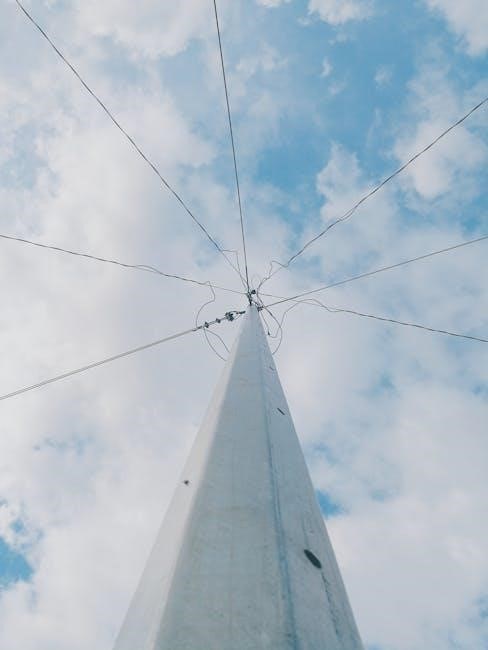
Effective anchor placement involves manually digging post holes with long diggers, then inserting expanding anchors to securely hold the pole. This technique, as noted in online forums, is crucial for stability. Anchors must be deeply set and appropriately sized to withstand significant tension, preventing pole movement and ensuring long-term safety.
Tensioning the Guide Wires
Turnbuckles are essential for adjusting guide wire tension, allowing for precise control and maintenance. Regular inspection for corrosion is vital, ensuring optimal performance and preventing failure. Proper tensioning stabilizes the pole against wind loading and ice accumulation, safeguarding against potential hazards and maintaining system integrity over time.
Maintenance and Inspection
Regular visual inspections of guide wire systems are crucial for identifying potential issues before they escalate. Checking tension and fittings, particularly turnbuckles, for corrosion or damage is paramount. Proactive maintenance ensures continued stability, minimizes safety risks, and extends the lifespan of the power pole infrastructure.
Regular Visual Inspections
Consistent visual checks should focus on the entire guide wire system, noting any sagging, fraying, or breaks in the wires themselves. Inspect anchor points for soil movement or corrosion, and examine turnbuckles for proper engagement and rust. Document findings and address concerns promptly to maintain safety.
Checking Tension and Fittings
Regularly assess guide wire tension; significant slack indicates potential issues with anchors or the pole itself. Inspect turnbuckles for corrosion and ensure they are securely fastened, allowing for adjustments. Verify all fittings are intact and properly connected, preventing unexpected failures and maintaining system stability.
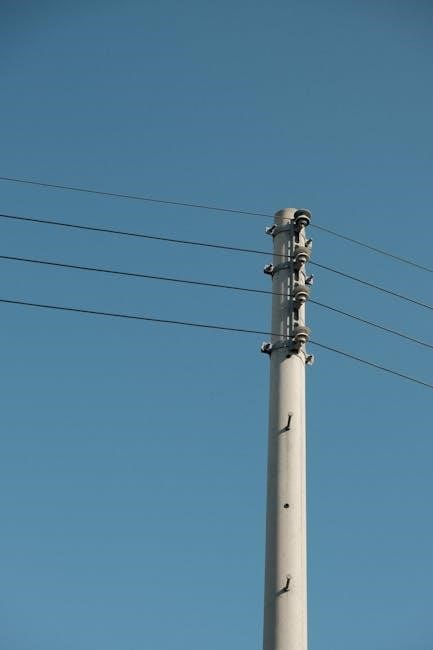
Working Near Guide Wires: Safety Protocols
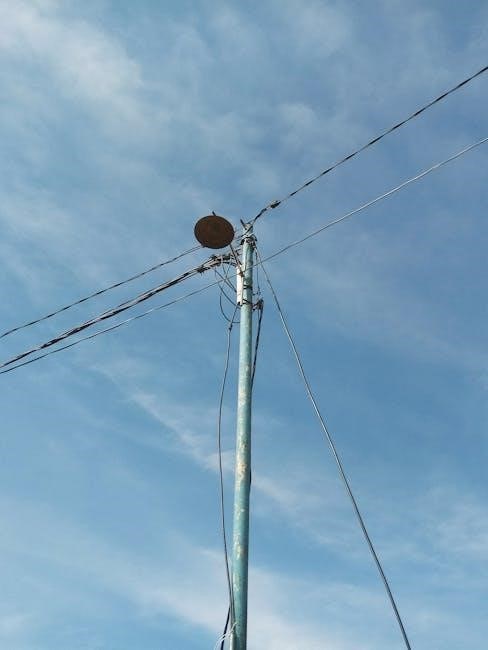
Maintain strict safe distances from guide wires, recognizing electrocution and physical injury risks. If possible, de-energize the line before commencing work nearby, following proper procedures. High-visibility markers are crucial; awareness prevents accidental contact, as tragically demonstrated in reported incidents involving mowers;
Maintaining Safe Distances
Prioritize a substantial buffer zone around guide wires to mitigate electrocution and impact hazards. Remember the tragic case of the contractor struck by a wire; visibility is key. Assume all wires are energized, and avoid contact with equipment or your body. Constant vigilance and awareness are paramount for safety.
De-energizing Procedures (When Applicable)
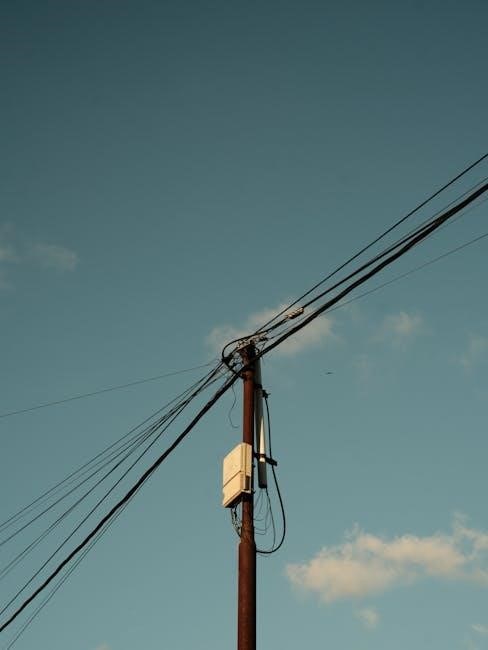
De-energizing guide wire systems is rarely feasible for non-utility personnel. A telcom worker’s fatal contact highlights the extreme danger; primary lines dropping onto guide wires can be lethal. Always contact the power company for any work near these lines. Never attempt independent de-energization – it’s incredibly risky.
Reporting a Hazardous Guide Wire
Immediately contact the power company regarding any concerning guide wires, especially if visibility is poor or tension seems off. Also, alert local authorities; a Reddit user emphasized reporting safety issues. Document everything, as challenging placement may be necessary if prior approval wasn’t obtained.
Contacting the Power Company
Reach out directly to your local power company to report any hazardous guide wire concerns. Be prepared to provide precise location details and a clear description of the issue. Emphasize potential safety risks, particularly regarding visibility and tension. Prompt reporting can prevent accidents, as demonstrated by a tragic incident detailed online.
Local Authorities and Regulatory Agencies
If the power company doesn’t adequately address your concerns, escalate the issue to local authorities. Contact your city or county government, potentially involving code enforcement or public works departments. Regulatory agencies overseeing utility operations may also be relevant, ensuring compliance with safety standards and property rights.
Guide Wire Materials and Their Properties
Guide wires commonly employ galvanized steel, prized for its corrosion resistance and cost-effectiveness, though stainless steel offers superior durability in harsh environments. Material selection impacts longevity and safety; regular inspection is crucial regardless of the chosen alloy, as degradation can compromise system integrity and pose hazards.
Galvanized Steel
Galvanized steel guide wires offer a balance of strength and affordability, utilizing a zinc coating to protect against corrosion. However, this protective layer diminishes over time, necessitating regular inspections for rust and potential weakening. Maintaining the galvanized coating is vital for ensuring long-term stability and preventing failures.
Stainless Steel
Stainless steel guide wires represent a premium option, boasting superior corrosion resistance compared to galvanized steel. While initially more expensive, their durability minimizes long-term maintenance and replacement costs. This material is particularly beneficial in harsh environments, offering extended service life and enhanced safety through consistent strength.
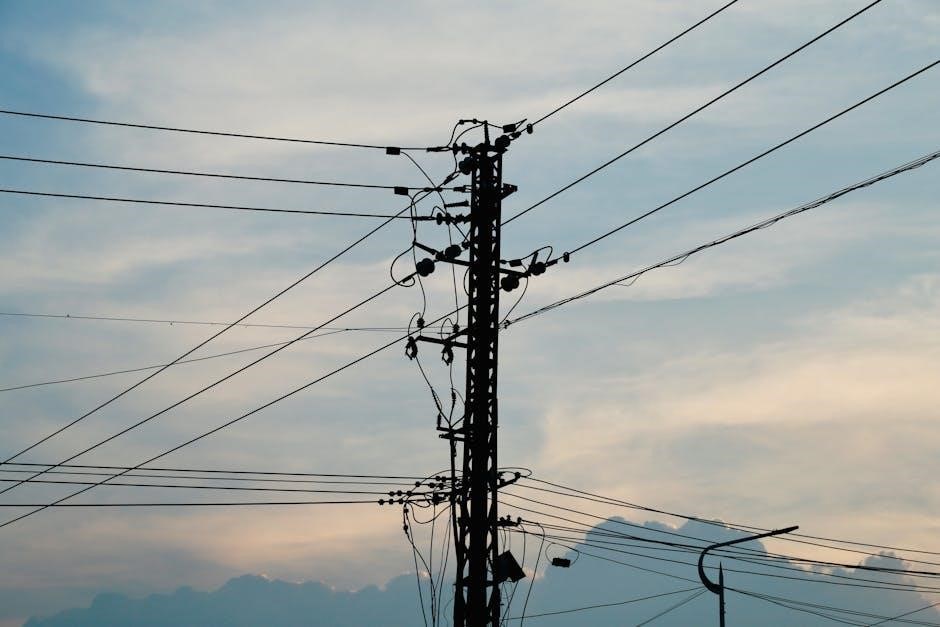
The Role of Turnbuckles in Guide Wire Systems
Turnbuckles are crucial components, enabling precise tension adjustments within guide wire systems. Regular inspection for corrosion is vital, as compromised turnbuckles diminish system integrity and safety. Maintaining optimal tension ensures pole stability, particularly against wind loading and ice accumulation, preventing potential failures and safeguarding against hazardous conditions.
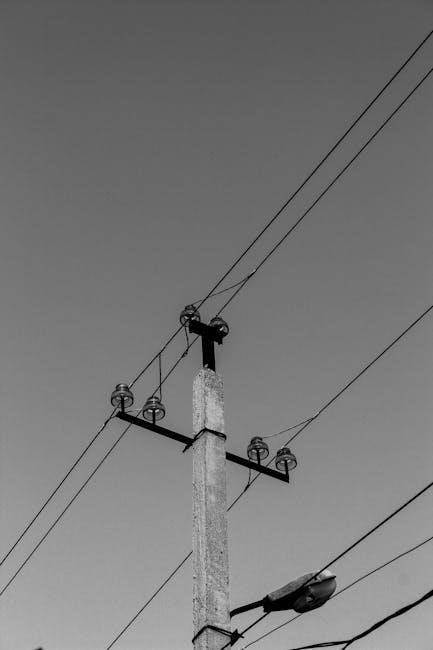
Adjusting Tension
Proper tensioning is paramount for guide wire effectiveness, requiring careful adjustments using turnbuckles. Too little tension compromises stability, while excessive tension risks overstressing components. Regular monitoring and incremental adjustments are key, accounting for weather-related expansion and contraction. Maintaining balanced tension across all wires ensures uniform load distribution and optimal pole support.
Inspecting for Corrosion
Regularly inspect turnbuckles and fittings for signs of corrosion, particularly in galvanized steel components; Rust weakens the metal, compromising the system’s integrity and potentially leading to failure. Pay close attention to joints and areas exposed to the elements. Promptly address any corrosion with appropriate treatments or replacements to maintain safety.
Future Trends in Power Pole Stabilization
Emerging technologies promise enhanced power pole stability. Advanced anchoring systems, beyond traditional methods, are being developed for increased resilience. Furthermore, smart monitoring technologies will provide real-time data on wire tension and structural health, enabling proactive maintenance and reducing potential failures, ultimately improving safety and reliability.
Advanced Anchoring Systems
Innovative anchoring solutions are evolving beyond conventional expanding anchors. These systems incorporate deeper, more robust ground penetration and utilize materials with superior holding power. Designs focus on distributing stress more effectively, minimizing ground disturbance, and enhancing long-term stability, particularly crucial in challenging soil conditions or high-wind areas.
Smart Monitoring Technologies
Integrating sensor networks into guide wire systems allows for real-time tension monitoring and early detection of anomalies. These technologies can alert utility companies to potential failures due to weather, corrosion, or impact. Predictive maintenance based on data analysis minimizes downtime and enhances safety, proactively addressing risks before they escalate.
Understanding the Impact of Weather on Guide Wires
Weather significantly impacts guide wire integrity; wind loading creates substantial stress, potentially exceeding design limits. Ice accumulation dramatically increases weight, exacerbating tension and risk of breakage. Regular inspections are crucial after storms to identify damage and ensure continued stability, preventing failures and maintaining public safety.
Wind Loading
Wind exerts considerable force on power poles, and guide wires are critical for resisting these loads. Strong gusts create significant tension, potentially stressing the wires, anchors, and the pole itself. Proper tensioning and robust anchor systems are essential to withstand anticipated wind speeds, ensuring pole stability and preventing catastrophic failures during storms.
Ice Accumulation
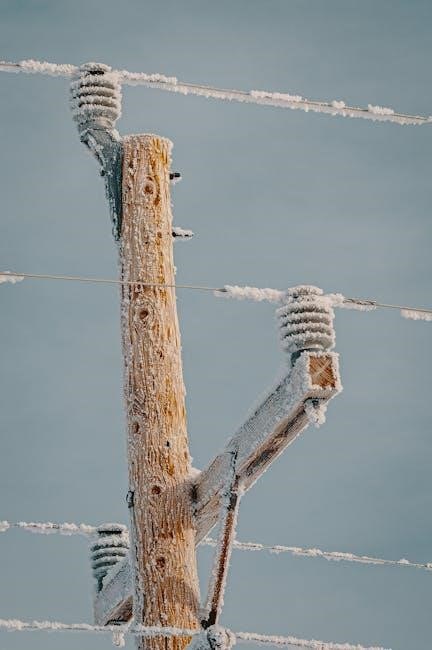
Ice loading presents a substantial threat to guide wire systems, adding significant weight to power poles and wires. This increased load amplifies stress on anchors and can lead to wire sag or even breakage. Regular inspections following icy conditions are crucial to identify and address potential hazards, ensuring continued structural integrity.