
GMC Canyon Manual Transmission: A Comprehensive Overview (As of 04/21/2026)
Recent online discussions reveal a pattern of transmission concerns within the GMC Canyon community, particularly regarding slipping gears and bucking issues experienced by owners.
The GMC Canyon, a popular mid-size truck, has offered manual transmission options throughout several of its model years, appealing to drivers who prefer greater control and a more engaging driving experience. However, the availability has fluctuated, and certain years have garnered more attention regarding transmission reliability than others. Online forums, like r/GMCcanyon on Reddit and GM-Trucks.com, consistently demonstrate owner interest in the manual transmission’s performance and potential issues.
Historically, the Canyon’s manual transmissions have been a 6-speed configuration. While providing a direct connection to the engine, reports suggest that some model years, specifically 2015-2016 and 2018-2019, experienced a higher incidence of problems. These range from vibrations and slipping gears to more serious concerns like bucking or lunging, particularly during highway driving. Understanding these potential drawbacks is crucial for prospective Canyon buyers considering a manual transmission model.
Historical Availability of Manual Transmissions in the Canyon
The GMC Canyon’s manual transmission availability hasn’t been consistent across its production run. While offered in earlier generations, its presence diminished with later model years, reflecting a broader industry trend towards automatic transmissions. The 6-speed manual was a prominent feature in the second-generation Canyon (2015-2023), but its inclusion varied depending on engine choice and trim level.

Discussions on platforms like Edmunds forums reveal that finding a Canyon with a manual transmission can be challenging, especially in recent years. Owners actively seek these models, appreciating the driving dynamics they offer. However, the limited availability, coupled with reported reliability concerns in specific years (particularly 2015-2016), impacts the used car market. Prospective buyers should carefully research the specific model year and configuration to determine if a manual Canyon aligns with their needs and risk tolerance.

Transmission Options: Beyond Manual
Alongside the 6-speed manual, the GMC Canyon has predominantly featured automatic transmission options throughout its history. The most common automatic is an 8-speed automatic, paired with various engine choices including the 2.5L four-cylinder, 3.6L V6, and the 2.8L Duramax diesel. These automatics offer different driving experiences, prioritizing comfort and convenience over driver engagement.
GM-Trucks.com forums highlight that the automatic transmissions generally experience fewer widespread complaints compared to the manual, though issues aren’t entirely absent. Owners often discuss the smooth shifting and responsiveness of the 8-speed automatic, particularly when paired with the diesel engine. However, some report occasional rough shifting or hesitation. Ultimately, the choice between manual and automatic depends on individual preferences and driving style, with the automatic offering broader appeal for most Canyon buyers.
The 6-Speed Manual Transmission: Specifics
The 6-speed manual transmission offered in the GMC Canyon, primarily in earlier model years, is a Beattie transmission, known for its robust design but also for specific quirks; It was typically paired with the 2.5L four-cylinder engine, aiming for fuel efficiency and a more connected driving experience. This transmission features a traditional shift pattern, offering drivers full control over gear selection.
While providing a satisfying level of engagement, the 6-speed manual isn’t without its drawbacks. Online forums, like Reddit’s r/GMCcanyon, frequently discuss its relatively notchy shift feel compared to modern automatics. It’s crucial to note that this transmission was not offered across all Canyon trims or model years, limiting its availability.
Gear Ratios and Performance Characteristics
The 6-speed manual transmission in the GMC Canyon utilizes gear ratios designed to balance fuel economy with usable power for both on and off-road driving. First gear is relatively low, providing ample torque for starting from a standstill or navigating challenging terrain. Higher gears are spaced to optimize fuel efficiency during highway cruising.
Specific ratios aren’t widely publicized, but owner experiences suggest a noticeable gap between gears, sometimes requiring more frequent shifting to maintain optimal engine RPM. This can impact acceleration times, but contributes to a more engaging driving experience. The transmission’s performance characteristics are heavily influenced by the 2.5L engine’s torque curve, resulting in a responsive, albeit not exceptionally quick, powertrain.

Common Issues with the 6-Speed Manual (Based on Reported Problems)
Reports indicate several recurring issues with the 6-speed manual transmission in the GMC Canyon. A significant complaint centers around a “slipping” sensation, particularly during gear changes or under load, as noted in recent Reddit discussions. This often manifests as a momentary loss of power, creating a disconcerting driving experience. Another frequently cited problem is a bucking or lunging sensation, especially at highway speeds, potentially linked to vibrations.
Owners on GM-Trucks.com and Edmunds forums have also described difficulties with the transmission fully engaging into the highest gear; These issues appear more prevalent in the 2015-2016 model years, raising concerns about long-term reliability and prompting some owners to seek alternative vehicles.

Reported Transmission Problems in 2015-2016 Canyons
The 2015-2016 GMC Canyon model years appear to be hotspots for transmission-related complaints, according to numerous online reports. Owners consistently describe issues like slipping gears, particularly noticeable during acceleration and highway driving. A common symptom is a feeling of the transmission “hunting” for the correct gear, leading to jerky movements and a loss of confidence. Many have reported a distinct bucking or lunging sensation, especially when maintaining consistent speeds on the interstate.
Research on GM-Trucks.com and within the r/GMCcanyon subreddit highlights a consensus that these years represent the worst for transmission problems. This has led some owners to proactively trade in their Canyons to avoid escalating repair costs and ongoing inconvenience.
Transmission Issues in 2018-2019 Models
Despite hopes for improvement, the 2018-2019 GMC Canyon models continued to experience transmission problems, albeit with a slightly different focus. A prevalent issue reported by owners centers around vibrations, particularly noticeable at idle or low speeds while in gear. These vibrations often manifest as a shuddering sensation felt throughout the vehicle.
General Motors addressed this concern with Technical Service Bulletin (TSB) PIP5348C, which details a procedure to remove foreign object debris from the transmission mounts. This suggests a common root cause for the vibrations was external contamination affecting mount stability. However, the TSB doesn’t represent a complete fix for all affected vehicles, and some owners continue to report lingering issues.
Technical Service Bulletins (TSBs) Related to Transmission Vibrations (PIP5348C)
Technical Service Bulletin (TSB) PIP5348C specifically addresses vibration concerns experienced in 2018-2019 GMC Canyon and Chevrolet Colorado models. The bulletin details a diagnostic and repair procedure centered around the removal of foreign object material debris from the transmission mounts. This debris, accumulating over time, disrupts the mounts’ ability to properly dampen vibrations.
The recommended repair involves a thorough inspection of the transmission mounts and the surrounding area, followed by the meticulous removal of any identified foreign material. While this TSB has provided relief for some owners, it’s crucial to understand it’s a targeted fix for a specific symptom – vibration caused by mount contamination – and may not resolve all transmission-related issues.

Slipping Gears and Bucking/Lunging Issues
Reports from GMC Canyon owners, particularly those with the 6-speed manual transmission, frequently cite instances of slipping gears and a disconcerting bucking or lunging sensation. These issues manifest in various driving scenarios, including during acceleration, while maintaining a consistent speed, and even after coming to a complete stop. One Reddit user detailed experiencing this on the interstate, noting the transmission felt like it was slipping through gears after a stop sign.
The bucking/lunging sensation is often described as a sudden jerkiness, making for an uncomfortable and potentially unsafe driving experience. These symptoms suggest a potential problem with clutch engagement, internal transmission components, or even the transmission control module. Early model years (2015-2016) appear to have a higher incidence of these complaints.
Highway Driving and Sustained Speed Concerns
Owners of the GMC Canyon with manual transmissions have reported specific difficulties during highway driving and when maintaining sustained speeds. The issues often center around inconsistent performance and a feeling of strain on the drivetrain. Several forum posts detail experiencing the aforementioned bucking or lunging sensation specifically while cruising on the interstate, creating a less-than-confident driving experience.
These concerns suggest potential problems with gear ratios optimized for highway use or internal component stress under prolonged load. Some speculate that the 6-speed manual may not be ideally suited for extended high-speed travel. The reported issues raise questions about long-term durability and the potential for premature wear when regularly subjected to highway conditions.

Potential Causes of Transmission Problems
Several factors appear to contribute to the transmission issues plaguing some GMC Canyon models with manual transmissions. A recurring theme identified through online reports and technical service bulletins points to foreign object debris (FOD) accumulating within the transmission mounts. This debris can cause vibrations and potentially damage surrounding components.
Beyond external factors, internal component wear and tear is a significant concern, especially in higher-mileage vehicles. Consistent stress from demanding driving conditions, coupled with the inherent limitations of the 6-speed manual, can lead to premature failure of gears, bearings, or synchronizers. These issues manifest as slipping, difficulty shifting, and the unsettling bucking sensation reported by numerous owners.
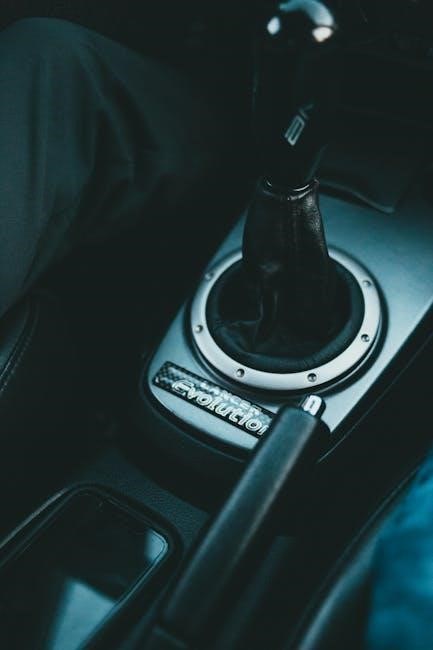
Foreign Object Debris in Transmission Mounts
The presence of foreign object debris (FOD) within the GMC Canyon’s transmission mounts has emerged as a key contributor to reported transmission problems, specifically highlighted in TSB PIP5348C. This debris, the nature of which isn’t always specified in owner reports, accumulates and induces vibrations, particularly noticeable at idle or low speeds.
The accumulation disrupts the transmission’s normal operation, potentially leading to more serious internal damage over time. Owners have described experiencing a pronounced shudder or vibration, often accompanied by noises emanating from the drivetrain. Addressing this issue typically involves a thorough inspection and removal of the debris from the transmission mount area, restoring proper support and minimizing unwanted vibrations.
Internal Component Wear and Tear
Beyond external factors, inherent wear and tear on internal transmission components represents a significant cause of manual transmission issues in the GMC Canyon. Over time, synchronizers, gears, bearings, and shift forks experience gradual degradation due to normal use and the stresses of operation. This wear manifests as difficulty shifting, grinding noises, and ultimately, complete gear failure.
The 2015-2016 model years have garnered particular criticism regarding transmission reliability, with reports suggesting premature component failure. Factors like aggressive driving habits, insufficient maintenance, and the inherent limitations of certain component designs can accelerate this wear process. Regular fluid checks and timely replacements are crucial, but may not entirely prevent eventual internal deterioration.
Diagnostic Procedures for Manual Transmission Issues
Accurately diagnosing manual transmission problems in the GMC Canyon requires a systematic approach. Initial assessment involves a thorough road test, noting specific conditions when issues occur – like slipping during highway driving or bucking at low speeds. A visual inspection for leaks, damaged linkage, and proper clutch engagement is essential.
Experienced mechanics will listen for unusual noises during gear changes, indicative of worn synchronizers or damaged gears. Checking transmission fluid level and condition is crucial; metallic particles suggest internal wear. Utilizing an OBD-II scanner can reveal any related diagnostic trouble codes (DTCs), though manual transmissions often lack specific codes. Further investigation may involve removing the transmission for a complete internal inspection.
Repair Options and Costs
Repairing GMC Canyon manual transmission issues presents several options, varying significantly in cost. A simple transmission fluid change, while preventative, typically costs between $150-$300. Addressing minor issues like linkage adjustments or clutch master cylinder replacement can range from $200-$800, depending on parts and labor.
More substantial problems, such as synchronizer replacement or gear repairs, necessitate a transmission rebuild, costing $1,500 ― $3,500. A complete transmission replacement with a new or remanufactured unit can range from $2,500 to $5,000+, including labor. The final cost depends on the mechanic’s rates, parts availability, and the extent of the damage. Obtaining multiple quotes is highly recommended.
Transmission Fluid Changes and Maintenance
Regular transmission fluid changes are crucial for maintaining the longevity of a GMC Canyon manual transmission. While often overlooked, the fluid lubricates gears, ensuring smooth operation and preventing premature wear. The recommended interval varies, but generally, a fluid change every 30,000 to 60,000 miles is advised, especially for those frequently towing or driving in harsh conditions.
Using the correct fluid type is paramount; consult your owner’s manual for specifications. Beyond fluid changes, inspect the transmission for leaks and ensure proper clutch engagement. Addressing minor issues promptly can prevent costly repairs down the line. Proper maintenance significantly contributes to a reliable and enjoyable driving experience.
Full Transmission Replacement vs. Rebuild
When faced with significant manual transmission issues in a GMC Canyon, owners often weigh the options of a full replacement versus a rebuild. A rebuild involves disassembling the transmission, inspecting components, replacing worn parts, and reassembling it. This is generally more cost-effective if the case isn’t damaged and core components are salvageable.
However, a full replacement with a new or remanufactured unit offers a more comprehensive solution, providing a longer-term fix with a warranty. Replacement is often preferred if extensive damage exists, or if the rebuild cost approaches the price of a replacement. Consider the vehicle’s overall condition and intended lifespan when making this decision.
Reliability Compared to Automatic Transmissions

Historically, manual transmissions have often been perceived as more reliable than automatics due to their simpler mechanical design. However, the GMC Canyon’s experience presents a nuanced picture. Online forums, like GM-Trucks.com and Reddit’s r/GMCcanyon, suggest the 6-speed manual has experienced a disproportionate share of issues, particularly in the 2015-2019 model years.
Reported problems, including slipping gears and vibrations, challenge the traditional reliability advantage. While automatics can be complex and prone to failure, the Canyon’s manual transmission seems to have specific vulnerabilities. This doesn’t necessarily mean all manual Canyons are unreliable, but potential buyers should be aware of the documented concerns and thoroughly inspect any vehicle.
Resources for Canyon Owners (Reddit r/GMCcanyon, GM-Trucks.com, Edmunds Forums)
GMC Canyon owners facing manual transmission issues, or considering a purchase, have several valuable online resources available. Reddit’s r/GMCcanyon is a highly active community where owners share experiences, troubleshooting tips, and updates on common problems – including the reported transmission issues. GM-Trucks.com provides dedicated forums for the 2015-2022 Colorado/Canyon generation, offering detailed discussions and technical information.
Edmunds Forums also hosts threads discussing Chevy Colorado and GMC Canyon transmission problems, providing a broader perspective and historical context. These platforms allow owners to connect, diagnose issues collaboratively, and potentially find solutions or workarounds. They are invaluable for staying informed and navigating potential transmission concerns.
Lemon Law Considerations (California ― Valero Law)
California’s Lemon Law, as represented by firms like Valero Law, offers potential recourse for GMC Canyon owners experiencing persistent, unrepairable transmission defects. Specifically, owners of 2018-2019 models, frequently cited for transmission vibrations addressed by TSB PIP5348C, may qualify for relief if the issue substantially impairs the vehicle’s use, value, or safety.

The law mandates that manufacturers have a reasonable number of attempts to repair the defect. If the transmission problems – such as slipping gears or bucking – continue after a sufficient number of repair attempts, or if the vehicle is out of service for an extended period, owners may be entitled to a refund or replacement vehicle. Consulting with a California Lemon Law attorney is crucial to assess eligibility and navigate the legal process.
Preventative Maintenance for Manual Transmissions
Proactive maintenance is key to extending the life of a GMC Canyon’s manual transmission and mitigating potential issues. Regular transmission fluid changes, adhering to the manufacturer’s recommended intervals, are paramount. Inspecting transmission mounts for foreign object debris, as highlighted in TSB PIP5348C related to vibration concerns, is also crucial.
Furthermore, smooth shifting habits and avoiding aggressive clutch engagement can minimize wear and tear on internal components. Regularly check for any unusual noises or vibrations, indicative of developing problems. Addressing minor issues promptly can prevent them from escalating into costly repairs. Consistent attention to these details will contribute to long-term reliability and a more enjoyable driving experience.
Finding a Qualified Mechanic
Locating a mechanic experienced with GMC Canyon manual transmissions is vital for accurate diagnosis and effective repairs. General mechanics may lack the specialized knowledge to address the unique issues reported within the Canyon community, such as slipping gears or vibrations.
Online resources like Reddit’s r/GMCcanyon, GM-Trucks.com, and Edmunds forums can provide valuable recommendations from fellow owners. Seek a mechanic familiar with the Technical Service Bulletins (TSBs), like PIP5348C, related to transmission vibrations and debris. Verify their diagnostic capabilities and inquire about experience with manual transmission rebuilds or replacements. A thorough professional can save you time and money in the long run.
Long-Term Ownership Outlook
The long-term reliability of a GMC Canyon with a manual transmission hinges significantly on diligent maintenance and proactive issue resolution. Based on reported problems, particularly in 2015-2019 models, potential transmission issues—like slipping gears, bucking, and vibrations—may surface over time.
Owners should anticipate the possibility of repairs and factor potential costs into their ownership budget. Regular transmission fluid changes and inspections are crucial preventative measures. Addressing concerns promptly, rather than delaying them, can mitigate more extensive and expensive damage. While some owners report positive experiences, awareness of the documented issues is key to informed ownership and maximizing the Canyon’s lifespan.