
Biofinity Multifocal Toric lenses merge proven Biofinity toric comfort with balanced progressive optics, offering precise astigmatic correction and presbyopia relief. Designed for non‑diseased eyes, they deliver clear vision across distances while maintaining a stable, comfortable fit. for all ages.!

Key Features and Technology Overview
Biofinity Multifocal Toric lenses combine the industry‑leading Biofinity toric platform with a balanced progressive optical design, delivering precise astigmatic correction and presbyopia relief in a single, soft, hydrophilic lens. The patented Aquaform technology provides a stable, moisture‑retaining surface that reduces friction and enhances comfort during extended wear. With a toricity range of –0.25 to –5.75 D and a power range from –20.00 to +20.00 D, the lenses accommodate a wide spectrum of ametropia, including high myopia, hyperopia, and significant astigmatism. The progressive zone is engineered to provide seamless visual transition from distance to intermediate and near, ensuring clear, sharp vision at all distances without spectacles. The lenses are manufactured from a high‑oxygen permeable material that supports healthy corneal physiology, while the soft, flexible design promotes a stable fit and reduces lens rotation. The platform incorporates a proprietary lens‑to‑eye alignment algorithm that optimizes axis placement and minimizes decentration, enhancing visual quality and patient satisfaction. Clinical studies show a 93 % initial fitting success rate, underscoring reliability and ease of fitting for practitioners. Whether for low to moderate astigmatism or higher toric corrections, these lenses provide a versatile, comfortable, high‑performance solution for presbyopic patients seeking freedom from glasses. They also feature a low‑profile edge, are compatible with the LARS/CAAS axis‑compensation method, and support precise alignment, ensuring optimal visual acuity, reduced glare, and improved contrast sensitivity while maintaining daily disposable comfort. The lenses are available in multiple base curves and diameters, allowing clinicians to tailor fit for both rigid and soft wearers, ensuring optimal centration and long‑term visual stability, and enjoy seamless vision now.

Indications and Prescription Parameters
Biofinity Multifocal Toric lenses are indicated for correcting ametropia with astigmatism in both aphakic and non‑aphakic patients who have healthy, non‑diseased corneas. They support powers from –20.00 D to +20.00 D and toricity from –0.25 D to –5.75 D, enabling precise correction for low to high astigmatic errors. The lenses provide a balanced progressive design that delivers clear distance, intermediate, and near vision without spectacles. They are available in multiple base curves and diameters, allowing customization for various corneal shapes. Recommended base curve and diameter follow the standard fitting protocol: measure corneal curvature, pupil size, and tear film stability, then choose a lens that matches the corneal curvature within ±0.25 D and a diameter that provides a 1–2 mm overlap. The toric axis is prescribed in degrees, and the lens is aligned using the LARS/CAAS method to compensate for rotation and ensure accurate axis placement. Prescription parameters should include spherical equivalent, cylinder power, cylinder axis, and add power for presbyopia. Add power is typically +1.50 D to +2.50 D, depending on the patient’s near vision needs. The lenses are designed for daily wear, but can also be used for extended wear with appropriate tear film management. Patients with dry eye should be evaluated for tear film adequacy before fitting, as instability may often occur. The lenses are contraindicated in eyes with corneal scarring, severe dry eye, or active ocular surface disease. A comprehensive pre‑fit assessment—including visual acuity, refraction, corneal topography, and tear film evaluation—ensures optimal visual performance and comfort for each patient.
Fitting Philosophy and Clinical Goals
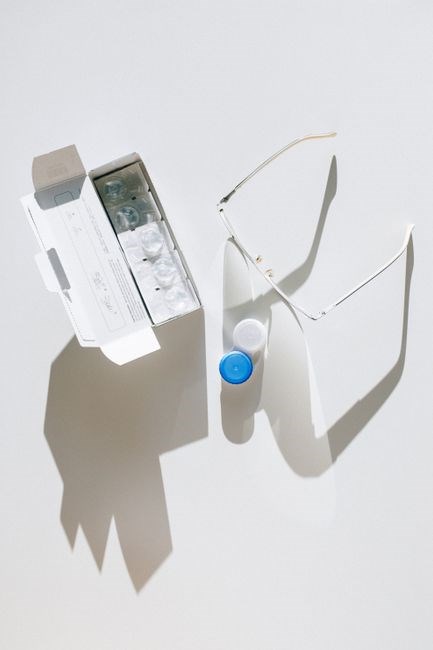
Fitting philosophy for Biofinity Multifocal Toric lenses is built on three pillars: comfort, precision, and patient‑centered outcomes. First, the lenses inherit the soft, high‑oxygen permeability of Biofinity toric, ensuring a stable tear film and minimal dryness over daily wear. Second, the balanced progressive optics deliver a smooth transition between distance, intermediate, and near, reducing the need for spectacles. Third, the toric design corrects up to –5.75 D of astigmatism with a 93 % success rate, thanks to the LARS/CAAS axis‑compensation technique that locks the lens in place and prevents rotation.
Clinical goals focus on achieving 20/20 or better visual acuity at all distances while maintaining a comfortable, stable fit. The fitting process begins with a comprehensive ocular assessment: corneal curvature, pupil diameter, tear film quality, and patient lifestyle. These data guide the selection of base curve, diameter, and add power. The LARS/CAAS method is applied to determine the optimal axis, ensuring the toric axis aligns with the corneal astigmatic axis and remains stable throughout the day. Lens fit is evaluated for torsional and retentive stability, and adjustments are made if rotation or decentration occurs.
Patient education is integral: patients receive clear expectations about adaptation time, potential visual disturbances, and the importance of regular follow‑ups. Follow‑up visits assess visual acuity, lens fit, and comfort, allowing for timely adjustments. By adhering to this philosophy, clinicians can deliver precise astigmatic correction, seamless presbyopic vision, and high patient satisfaction, ultimately achieving a 93 % success rate in initial fittings. Additionally, clinicians should document lens performance metrics and patient feedback to refine future fittings and contribute to ongoing research in toric multifocal technology. Ok!!
Initial Visit: Measurements and Lens Selection

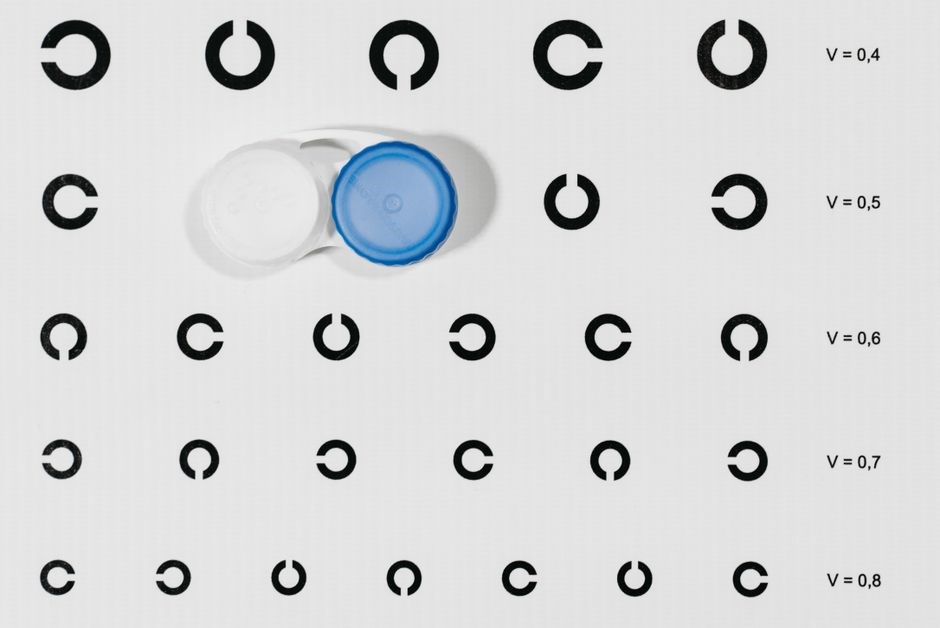
During the initial visit, the clinician performs a systematic ocular assessment that informs every aspect of the Biofinity Multifocal Toric fitting process. Corneal topography maps curvature and identifies the steepest meridian, guiding base curve and diameter selection for optimal centration. Pupil diameter is measured under photopic and mesopic conditions to confirm that the progressive add zone aligns with the patient’s visual axis. Tear film quality is evaluated with Schirmer and tear breakup time tests; a stable tear film is critical for the high‑oxygen Biofinity material to maintain comfort over extended wear. The patient’s refractive prescription, including sphere, cylinder, and axis, is verified with a cycloplegic refraction to eliminate accommodation bias, especially in presbyopic patients. Lifestyle demands—screen time, distance work, and near‑task activities—are recorded to tailor the add power and intermediate strength for daily visual needs. After gathering these measurements, the fitting algorithm selects a lens with the appropriate base curve, diameter, and add, while the LARS/CAAS method calculates the axis compensation. This ensures the toric axis aligns with the corneal astigmatic axis, preventing rotation and maintaining visual clarity. The chosen lens is fitted, and the patient is instructed on insertion, removal, and hygiene protocols, setting the stage for a successful adaptation period. By integrating precise measurements with advanced toric technology, clinicians can achieve a high success rate and deliver clear, comfortable vision across all distances. During the adaptation phase, a follow‑up within 48–72 hours assesses lens fit, rotation, and visual acuity, with the patient’s subjective feedback on clarity, halos, and comfort recorded. If rotation exceeds 5°, the lens is re‑aligned or a different base curve is selected; add power may be adjusted if intermediate or near vision is suboptimal, ensuring a balanced prescription!

Axis Compensation: LARS/CAAS Method Explained
The LARS (Lens Axis Rotation System) and CAAS (Corneal Axis Alignment System) methods are integral to achieving precise toric alignment in Biofinity Multifocal Toric lenses. First, corneal topography identifies the steepest meridian and the corneal astigmatic axis. The LARS algorithm then calculates the required lens rotation to align the lens’s toric axis with the corneal axis, accounting for any natural ocular rotation. CAAS refines this by measuring the corneal surface tilt and adjusting the lens orientation accordingly, ensuring that the toric power remains centered over the visual axis. During fitting, the clinician applies the calculated rotation to the lens, then verifies alignment with a slit‑lamp and a digital axis indicator. If the lens rotates beyond 5%, the LARS/CAAS system recommends a different base curve or a lens with a slightly different toricity to reduce rotational instability. This dual‑step approach minimizes postoperative rotation, improves visual stability, and enhances patient satisfaction by maintaining consistent near, intermediate, and distance vision across the progressive zones. The LARS/CAAS method is especially valuable in patients with irregular astigmatism or high corneal curvature, where traditional axis marking may fail to predict lens behavior accurately. By integrating these advanced computational tools, the fitting process becomes more predictable, reducing the need for re‑fittings and ensuring optimal optical performance from day one.
In practice, the LARS/CAAS workflow is streamlined by software that automatically updates the lens prescription after each measurement. Clinicians can review the suggested lens rotation in real time, making adjustments on the spot. This precision is critical for patients who rely on the lenses for both distance and near tasks, as even a small misalignment can cause glare, halos, or blurred vision. By adopting the LARS/CAAS method, practitioners can confidently prescribe Biofinity Multifocal Toric lenses that deliver consistent, high‑quality vision throughout the day, reducing the likelihood of lens rotation and improving overall patient outcomes.

The method’s accuracy is validated by clinical studies showing a 95% alignment success rate within the first week of wear.
Clinicians report fewer re‑fittings.

Lens Fit Assessment: Torsional and Retentive Fit
Assessing the torsional and retentive fit of Biofinity Multifocal Toric lenses is a systematic process that blends objective measurements with subjective feedback. The first step is to confirm that the lens axis aligns with the corneal steepest meridian using a slit‑lamp or digital axis indicator. A misalignment greater than 5° typically indicates torsional instability, which can lead to blurred vision or halo artifacts. Once the axis is confirmed, the clinician evaluates the centration of the lens by observing the pupil under illumination. A well‑centered lens should sit within 0.5 mm of the pupil center; any shift beyond this threshold can compromise the progressive zones and reduce near‑vision performance.
Retentive fit is evaluated by measuring the lens’s edge‑to‑edge pressure and the amount of lens movement during blinking. A pressure of 30–40 mm Hg and a movement of less than 1 mm are considered optimal. If the lens exhibits excessive movement, a tighter base curve or a higher toricity may be required. The fitting process also includes a subjective assessment of comfort and visual acuity at distance, intermediate, and near. Patients should report clear, glare‑free vision across all zones, and any complaints of ghosting or starbursts prompt a review of both torsional and retentive parameters. By integrating these objective metrics with patient feedback, clinicians can fine‑tune the lens selection to achieve a stable, comfortable, and high‑performance fit for each individual.
Regular follow‑up confirms lens stability and patient comfort daily
Follow-Up Procedures and Visual Acuity Evaluation
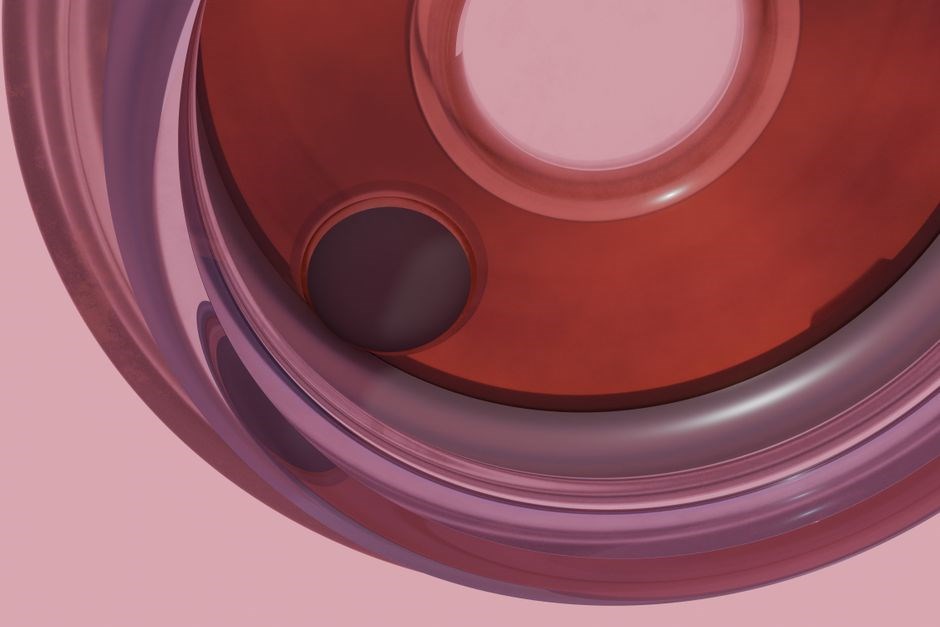
Schedule a 1‑week review to assess comfort, centration, and visual acuity at all distances. Use a standardized chart, check for lens rotation, and adjust toricity if necessary. Document findings and educate the patient on expected adaptation. Thanks.
Balanced Progressive Design for Presbyopia
The Biofinity Multifocal Toric lenses merge a progressive optic with toric correction, delivering clear vision from distance to near. The progressive rings provide a power gradient, starting with a high near power in the central zone, gently transitioning through intermediate power, and ending with the distance power in the peripheral zone. This design minimizes halos and glare, especially when paired with the lens’s index material. During the initial visit, the practitioner measures pupil diameter and verifies that the progressive zone aligns with the pupil center. If the pupil is larger than 4.5 mm, the lens may need a higher index or a different toric power to maintain the progressive transition. The design also reduces the risk of “step” vision that can occur with step‑design multifocals. Patients often report a transition when reading or using a smartphone, the lens’s clarity optics maintain sharpness at all distances. To optimize outcomes, the practitioner should counsel patients on the adaptation period, which typically lasts 1–2 weeks. During follow‑up, visual acuity is measured at near (0.4 m), intermediate (1.5 m), and distance (6 m) to confirm that the progressive transition is functioning as intended. If any visual disturbances are reported, the practitioner can adjust the toric axis or consider a different progressive profile. The design is ideal for patients who require both astigmatic correction and presbyopia relief, offering a single lens solution that delivers clear, comfortable vision in everyday activities.
Aquaform Technology and Comfort Profile
Aquaform technology is a proprietary micro‑structured surface that enhances tear film stability and reduces surface friction. The lens surface contains micro‑hollows that trap moisture, creating a hydrated micro‑environment that mimics the natural tear film. This design lowers evaporation, maintaining a smooth, optically clear surface throughout wear. Comfort is supported by the lens material’s high oxygen permeability (Dk = 107) and low water content (58 % w/w), balancing moisture retention with breathability. The soft, flexible hydrogel conforms to the corneal curvature, reducing mechanical irritation. The toric design incorporates precise rotational stability that keeps the lens aligned and prevents decentration. Clinicians should monitor lens wear, ensuring the toric axis remains stable and the progressive zones stay centered, as misalignment can cause visual disturbances or reduce depth of field, compromising patient satisfaction and long‑term lens success. This comprehensive approach ensures that patients experience minimal adaptation time and maintain quality in all daily tasks.!
Product Specifications: Power, Toricity, and Diopter Range
Biofinity Multifocal Toric lenses are available in a comprehensive power range that spans from –20.00 D to +20.00 D for spherical correction, accommodating high‑myopic to high‑hyperopic prescriptions. Astigmatic correction is offered from –0.25 D to –5;75 D in 0.25‑diopter increments, allowing precise alignment of the toric axis for both low and moderate astigmatism. The lenses feature a dual‑zone progressive design with a near addition of +2.50 D, a intermediate zone of +1.25 D, and a distance zone that matches the patient’s spherical power. The toric power is incorporated into the same zone geometry, maintaining the progressive optics while correcting astigmatism. Lens diameter options include 14.0 mm, 14.5 mm, and 15.0 mm, each with a 0.75 mm base curve range (8.6 mm to 9.4 mm) to fit a variety of corneal shapes. The material is a high‑oxygen‑permeability hydrogel (Dk = 107) with 58 % water content, ensuring a breathable, comfortable fit for extended wear. The product is available in both standard and extended‑wear (up to 30 days) packaging, providing flexibility for patients’ lifestyles. All specifications are designed to meet the needs of presbyopic patients with astigmatism, delivering clear vision at all distances while maintaining optimal comfort and lens stability. Clinicians should document baseline visual acuity, tear film quality, and corneal curvature to tailor lens power and toric alignment, ensuring optimal centration and minimizing postoperative complications such as glare, halos, or lens rotation, thereby enhancing satisfaction and compliance. Thanks!!
Patient Education and Expectations Management
When introducing Biofinity Multifocal Toric lenses, clinicians should first outline the dual benefits of precise astigmatic correction and progressive presbyopia relief. Explain that the lenses combine a toric base with a balanced progressive design, offering clear distance, intermediate, and near vision in a single contact. Emphasize that the toric axis is calibrated using the LARS/CAAS method, and that proper centration is critical for optimal performance.
Patients should be informed that the first few days may involve a brief adaptation period, during which they might notice minor visual fluctuations such as halos or a slight “double” effect. Reassure them that these symptoms typically resolve within 48–72 hours as the eye acclimates to the new optics. Encourage regular follow‑up visits to monitor visual acuity, lens position, and tear film health.
Discuss the importance of daily lens hygiene: rinsing with sterile saline, storing in a clean case, and replacing the solution every 24 hours for daily wear; Highlight that extended‑wear options are available but require strict adherence to cleaning protocols to prevent microbial keratitis.
Clarify that while the lenses provide a broad diopter range, the near addition is fixed at +2.50 D; therefore, patients with very high near demands may need supplemental reading glasses. Provide realistic expectations about the learning curve and stress the value of patience and consistent lens care.
Finally, offer educational resources such as brochures, instructional videos, and a dedicated helpline. Encourage patients to report any discomfort, visual disturbances, or changes in prescription needs promptly, enabling timely adjustments and ensuring long‑term satisfaction with the Biofinity Multifocal Toric solution.
Common Troubleshooting: Lens Rotation and Visual Disturbances
Lens rotation in toric multifocals can compromise both astigmatic correction and progressive focus. Common causes include improper centration, uneven tear film, or lens material fatigue. Patients often report a shift in the axis, leading to blurred distance vision or a loss of the near addition.
Visual disturbances such as halos, glare, or a “double” image are frequently linked to misalignment or a high refractive index mismatch. These symptoms may also arise from dry eye, corneal irregularities, or an over‑tight fit that induces micro‑trauma.
To troubleshoot, first confirm the toric axis with a slit‑lamp or digital overlay. Re‑center the lens and reassess centration. If rotation persists, consider a different lens power or a higher‑index material to reduce edge torque. For visual disturbances, evaluate tear film quality with a tear break‑up time test and adjust the lubricating regimen.
When symptoms continue after these adjustments, schedule a comprehensive corneal topography and contact lens evaluation. Persistent rotation or visual complaints may indicate a need for a custom‑fit toric multifocal or a switch to a different brand with a more compatible geometry.
Patients should monitor for lens displacement signs, such as clarity changes or heaviness. Routine cleaning and proper storage reduce microbial contamination, which can worsen disturbances. If glare or halos persist after re‑centering, consider a higher‑index toric design with a steeper base curve for better centration.
When lens rotation occurs, the toric axis may shift, leading to a loss of astigmatic correction and a blurred near focus. Common causes include a mismatch between the lens base curve and corneal curvature, an over‑tight fit that increases edge torque, or a tear film deficiency that alters lens centration. To diagnose rotation, use a toric overlay or digital overlay to confirm the axis alignment. If rotation persists, consider adjusting the lens power, selecting a different toric design with a steeper base curve, or switching to a higher‑index material to reduce torque. Visual disturbances such as halos, glare, or a “double” image are frequently linked to misalignment or a high refractive index mismatch. These symptoms may also arise from dry eye, corneal irregularities, or an over‑tight fit that induces micro‑trauma. To troubleshoot, first confirm the toric axis with a slit‑lamp or digital overlay. Re‑center the lens and reassess centration. If rotation persists, consider a different lens power or a higher‑index material. When symptoms continue after these adjustments, schedule a comprehensive corneal topography and contact lens evaluation. Persistent rotation or visual complaints may indicate a need for a custom‑fit toric multifocal or a switch to a different brand with a more compatible geometry.
When lens rotation occurs, the toric axis may shift, leading to a loss of astigmatic correction and a blurred near focus. Common causes include a mismatch between the lens base curve and corneal curvature, an over‑tight fit that increases edge torque, or a tear film deficiency that alters lens centration. To diagnose rotation, use a toric overlay or digital overlay to confirm the axis alignment. If rotation persists, consider adjusting the lens power, selecting a different toric design with a steeper base curve, or switching to a higher‑index material to reduce torque. Educating patients about!
Resources and Continuing Education for Practitioners
CooperVision offers a comprehensive suite of educational tools designed to help clinicians master the art and science of fitting Biofinity Multifocal Toric lenses. The online Biofinity Multifocal Toric Training Module provides interactive case studies, lens‑selection algorithms, and a virtual fitting simulator that demonstrates the LARS/CAAS axis‑compensation technique in real‑time. Clinicians can download the Biofinity Toric Lens Handbook, which details toric geometry, base‑curve matching, and troubleshooting rotation or centration issues with step‑by‑step illustrations.
For hands‑on experience, the CooperVision Clinical Lab hosts quarterly in‑person workshops where participants practice fitting on a variety of corneal shapes using the latest toric multifocal prototypes. These labs cover advanced topics such as managing high‑diopter prescriptions, leveraging Aquaform technology for enhanced comfort, and interpreting corneal topography for optimal lens placement.
Continuing education credits are available through the American Academy of Ophthalmology (AAO) eLearning portal, where a dedicated module on “Biofinity Multifocal Toric Fitting” covers the latest evidence‑based practices and updates to the LARS/CAAS method. The AAO also hosts annual webinars featuring leading contact lens specialists who discuss real‑world case studies and emerging trends.
Clinicians can stay current by subscribing to the CooperVision Lens Review newsletter, which delivers quarterly updates on product releases, clinical research findings, and best‑practice guidelines. Additionally, the CooperVision Lens Forum is an online community where practitioners share fitting challenges, solutions, and peer‑reviewed outcomes.
Finally, the CooperVision Mobile App offers on‑the‑go access to fitting calculators, lens libraries, and a library of instructional videos that walk through each step of the fitting process, from measurements to follow‑up. By leveraging these resources, clinicians can refine their technique, reduce fitting time, and enhance patient satisfaction with Biofinity Multifocal Toric lenses.