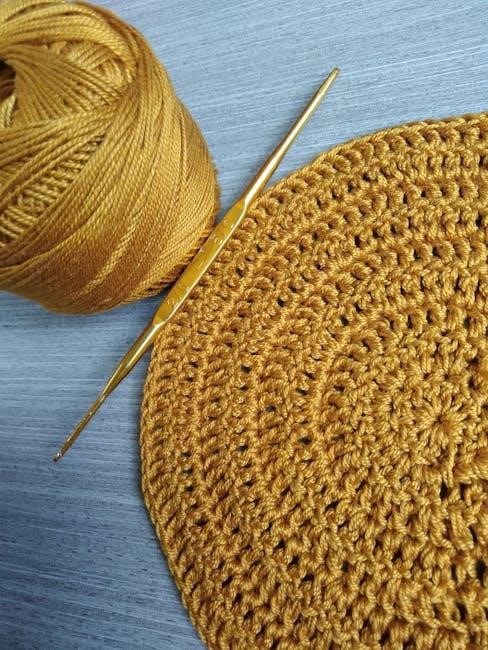
Discover the cozy world of crochet cardigans! Explore numerous free patterns, easily downloadable as PDFs, to create stylish and comfortable garments. Beginners will find simple designs, while experienced crocheters can tackle more intricate projects.
Why Crochet a Cardigan?
Crocheting a cardigan offers a unique blend of practicality and creative expression. Unlike set-in sleeve sweaters, cardigans are remarkably adaptable, easily layered over various outfits for added warmth and style. Free patterns, particularly those in PDF format, democratize this craft, making fashionable outerwear accessible to everyone, regardless of budget.
The beauty lies in customization; you can select yarn colors and textures to perfectly match your personal aesthetic. Furthermore, crocheting is a wonderfully relaxing and mindful activity, offering a therapeutic escape from daily stresses. A simple cardigan project is an excellent starting point for beginners, building confidence and essential crochet skills. Ultimately, a handmade cardigan is a testament to your creativity and a cherished addition to your wardrobe.
Benefits of Using a Free PDF Pattern
Utilizing free PDF crochet patterns provides numerous advantages for crafters. Firstly, they eliminate the cost of purchasing patterns, allowing you to explore various designs without financial commitment. PDF format ensures easy downloading, printing, and portability – access your pattern anywhere, anytime! These patterns often include clear instructions, stitch diagrams, and helpful photos, guiding you through each step of the process.
Moreover, the availability of simple cardigan patterns in PDF format is ideal for beginners. They offer a manageable project to learn fundamental crochet techniques. The digital format also allows for easy scaling and adjustments if needed. Finally, a vast online community supports free patterns, offering assistance and inspiration.
Understanding Crochet Cardigan Patterns
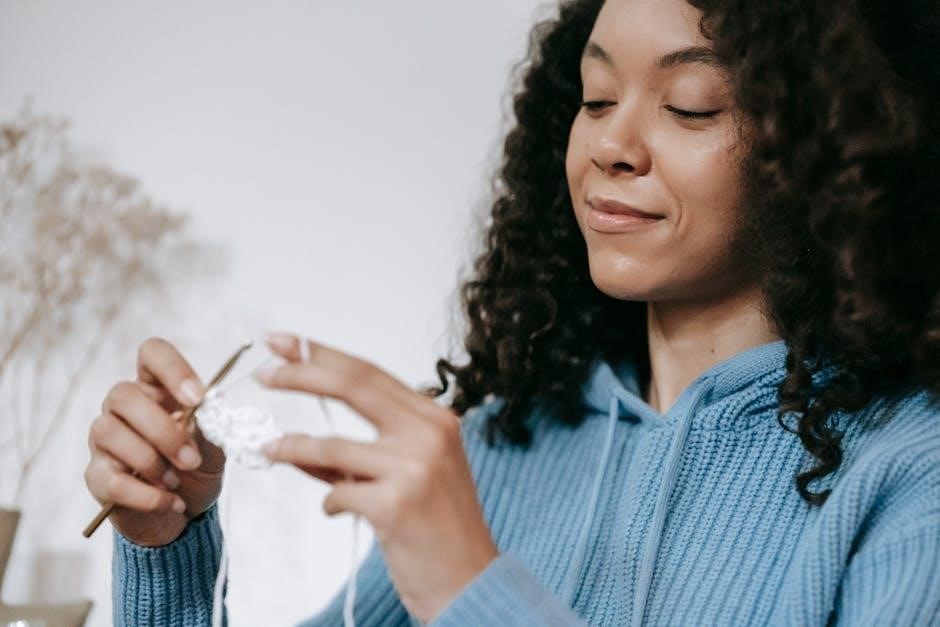
Decoding patterns is key! Learn to read stitch abbreviations, gauge information, and schematic diagrams for a successful cardigan project. Practice makes perfect!
Reading Crochet Pattern Symbols
Crochet patterns often utilize symbols to represent stitches, making them concise and internationally understandable. Common symbols include circles for single crochet, double crochet represented by taller symbols, and various marks for increases or decreases. Understanding these visual cues is crucial for accurately following a pattern, especially when working with free PDF downloads. Pay close attention to the pattern’s key or legend, which explains each symbol’s meaning.
Familiarize yourself with symbols for chain stitches, slip stitches, and different types of yarn overs. Recognizing these will prevent errors and ensure your cardigan takes shape as intended. Many free patterns include charts alongside written instructions, offering a visual guide to stitch placement. Don’t hesitate to consult online resources or videos if you encounter unfamiliar symbols – mastering them unlocks a world of crochet possibilities!
Common Crochet Stitches Used in Cardigans
Cardigans frequently employ a core set of crochet stitches for texture and drape. The single crochet (sc) provides a dense fabric, ideal for warmer designs, while double crochet (dc) creates a lighter, more open weave, perfect for summer cardigans. Half double crochet (hdc) offers a balance between the two. Variations like the waistcoat stitch, resembling knit fabric, are also popular.
Beginner patterns often focus on single and double crochet, building foundational skills. More complex designs may incorporate shell stitches, puff stitches, or textured stitch patterns. Understanding stitch height and how it affects gauge is vital. Free PDF patterns will clearly indicate which stitches are used, often with abbreviations and detailed instructions for each.
Yarn Weight and Gauge Considerations
Selecting the correct yarn weight is crucial for achieving the desired look and fit in your crochet cardigan. Worsted weight yarn is a popular choice for beginners, offering good stitch definition and ease of handling. DK (double knit) and fingering weight yarns create lighter-weight garments. Bulky or super bulky yarns work up quickly for cozy, oversized cardigans.
Gauge – the number of stitches and rows per inch – dictates the final size. Always create a gauge swatch using the yarn and hook specified in the free PDF pattern. Adjust your hook size if your gauge doesn’t match the pattern to ensure proper sizing. Accurate gauge is essential for a well-fitting cardigan.
Popular Free Crochet Cardigan Patterns
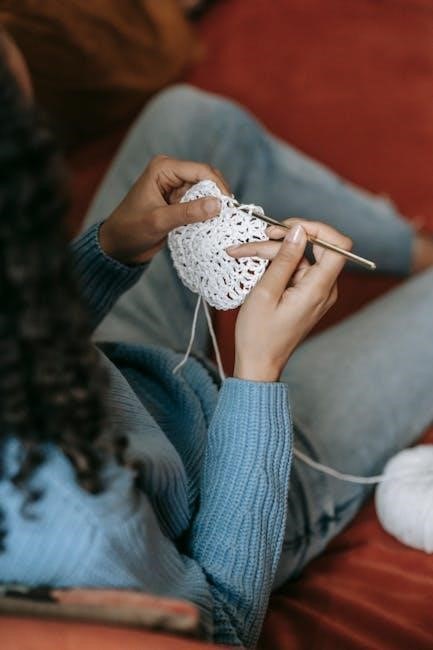
Find inspiration with easy, free crochet cardigan patterns! Explore beginner-friendly designs, open-front styles, and classic granny square options for a handmade wardrobe.
Simple Beginner Cardigan Pattern
Embark on your crochet journey with a delightfully simple cardigan pattern, perfect for beginners! These patterns typically utilize basic stitches – single crochet, double crochet, and chain stitches – making them incredibly accessible. Many free PDF patterns focus on rectangular construction, minimizing shaping and complexity.
Look for patterns featuring minimal seaming, often worked in pieces and then joined together. A basic drop-shoulder design is a fantastic starting point. Websites offer numerous options, often with detailed photo tutorials and video guides to assist you every step of the way. Choosing a chunky yarn can speed up the process and create a cozy, warm garment. Remember to check the gauge to ensure a proper fit!
Easy Open-Front Cardigan Pattern
Create a versatile and stylish open-front cardigan with readily available free PDF patterns! These designs often prioritize simplicity, making them ideal for crocheters of all skill levels. Expect straightforward construction, frequently utilizing basic stitches like double crochet or half double crochet for a lovely drape.
Focus on patterns that work in simple rectangles or squares, minimizing complex shaping. Many designs feature minimal seaming, or even seamless construction, for a quicker project. Explore patterns with ribbed edging for a polished finish. Open-front cardigans are incredibly adaptable, perfect for layering over various outfits. Don’t forget to check yarn weight recommendations for the desired look and feel!
Classic Granny Square Cardigan Pattern
Embrace the timeless charm of a granny square cardigan! Numerous free PDF patterns showcase this iconic crochet technique, offering a delightful and colorful project. These patterns typically involve creating individual granny squares and then joining them together to form the cardigan’s panels – back, front, and sleeves.
Look for patterns that provide clear instructions on granny square construction and joining methods. While seemingly complex, granny square cardigans are surprisingly accessible for intermediate crocheters. Experiment with different color combinations to personalize your creation. The resulting texture and visual appeal are truly unique, offering a vintage-inspired, handmade aesthetic.
Lightweight Summer Cardigan Pattern
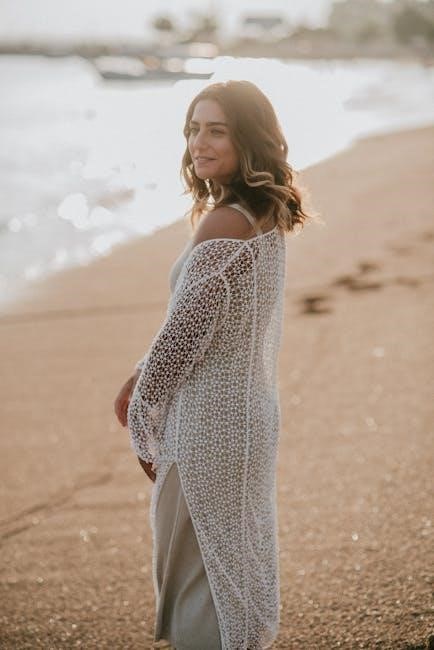
Beat the summer chill with a breezy crochet cardigan! Many free PDF patterns cater to warmer weather, utilizing lightweight yarns like cotton or linen. These designs often feature open stitch patterns – think lacy stitches or mesh – to maximize airflow and create a delicate, airy fabric. Search for patterns emphasizing simplicity, focusing on basic stitches and straightforward construction.
Consider patterns with shorter sleeves or even sleeveless designs for ultimate comfort. Lightweight cardigans are perfect for layering over sundresses or tank tops, adding a touch of style without overheating. Explore patterns offering minimal shaping, making them quick and easy to complete – ideal for beginner to intermediate crocheters.
Essential Materials & Tools
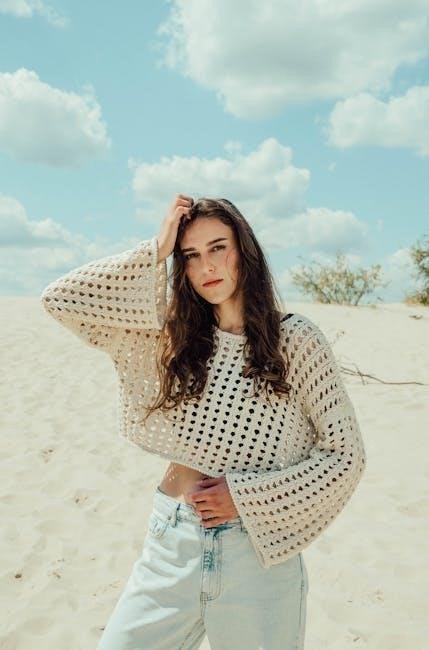
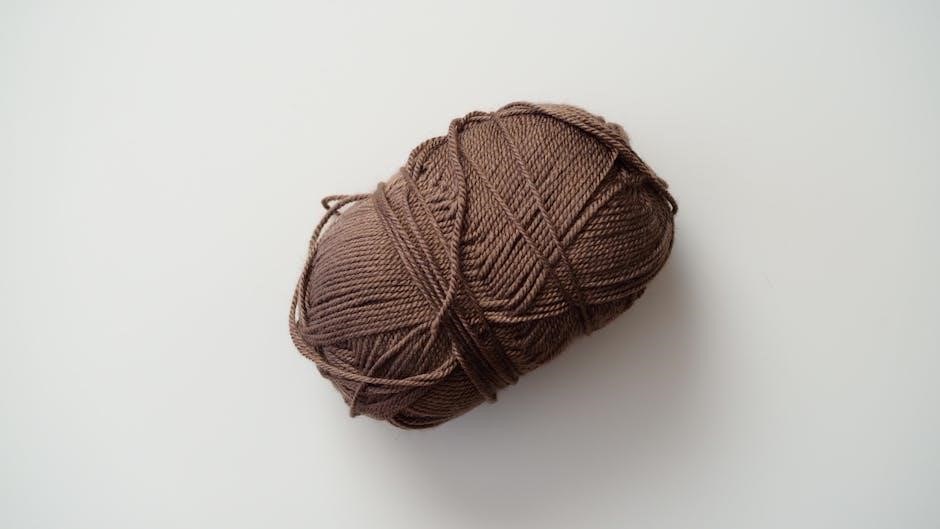
Gather your crochet hook, yarn (cotton or acrylic are great!), scissors, stitch markers, and a yarn needle to begin your cardigan project successfully.
Choosing the Right Yarn
Selecting the perfect yarn is crucial for a beautiful and comfortable crochet cardigan. For a simple beginner pattern, consider worsted weight yarn – it’s readily available and easy to work with. Acrylic yarn is a budget-friendly and durable option, ideal for practicing new stitches. Cotton yarn provides excellent drape and breathability, making it perfect for warmer weather cardigans.
Think about the desired texture and feel. A soft yarn will create a cozy cardigan, while a more structured yarn will hold its shape better. Always check the yarn label for recommended hook size and gauge information. Matching the yarn weight to the pattern’s suggestion ensures your cardigan will turn out the correct size and have the intended look. Don’t be afraid to experiment, but starting with a classic yarn is always a good idea!
Crochet Hook Sizes
Selecting the appropriate crochet hook size is vital for achieving the correct gauge and overall look of your cardigan. Most simple, beginner-friendly patterns utilizing worsted weight yarn recommend a hook size between H/8 (5.0 mm) and I/9 (5.5 mm). However, always refer to the specific pattern instructions as yarn weight and desired fabric density influence hook size.
Experimenting with different hook sizes within the recommended range can help you customize your cardigan. A smaller hook creates tighter stitches, resulting in a denser fabric, while a larger hook produces looser stitches and a more open drape. Remember to create a gauge swatch to ensure your finished cardigan matches the pattern’s intended dimensions before starting the full project.
Other Necessary Tools (Scissors, Stitch Markers, Yarn Needle)
Beyond yarn and a crochet hook, several essential tools will streamline your cardigan-making process. Sharp scissors are crucial for cleanly cutting yarn ends. Stitch markers are invaluable for marking important points within your pattern, such as the beginning of a round or placement of increases/decreases, ensuring accuracy.
A yarn needle, also known as a tapestry needle, is used for weaving in loose yarn ends, creating a polished finish. Consider a row counter to keep track of your progress, especially for repetitive patterns. These seemingly small tools significantly enhance the enjoyment and quality of your crochet project, leading to a beautifully finished cardigan!
Step-by-Step Guide to Crocheting a Cardigan
Follow a clear, step-by-step approach: create back and front panels, then assemble them using seaming or joining techniques for a finished cardigan!
Creating the Back Panel
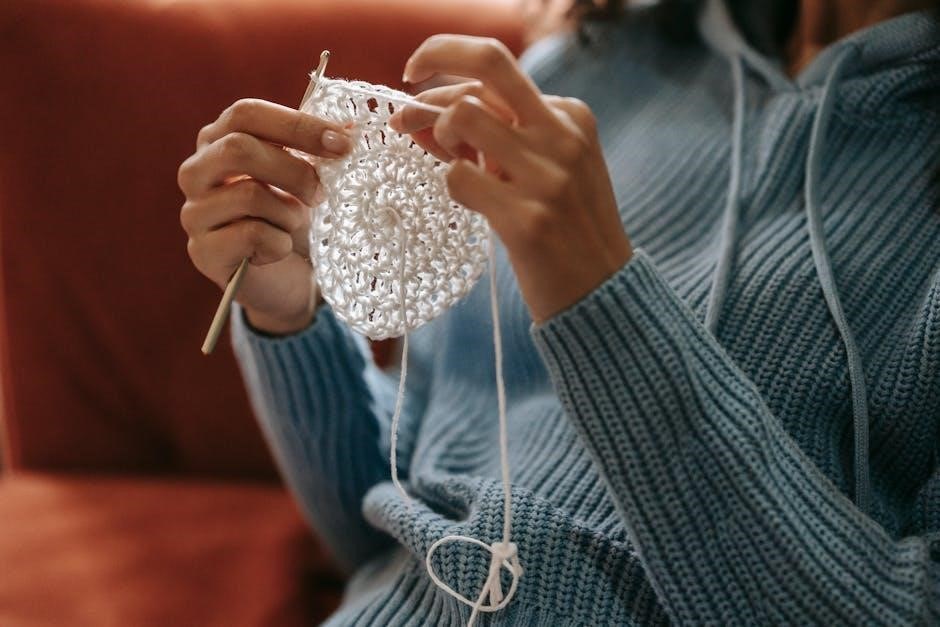
Begin by creating the back panel, typically a large rectangle. Start with a foundation chain, ensuring it matches the desired width of your cardigan. Work rows of your chosen stitch – often double crochet for simplicity – until the panel reaches the specified length in your pattern. Remember to consistently check your gauge to maintain accurate sizing.
Pay close attention to shaping instructions, if any, such as increases or decreases for armholes. These are crucial for a well-fitting garment. Fasten off securely once the panel is complete, weaving in all loose ends. The back panel forms the foundation of your cardigan, so accuracy here is key for a successful project. Ensure a smooth and even texture throughout the entire process.
Creating the Front Panels
Now, create the two front panels, mirroring the back panel in width but often shorter in length. Begin each panel with a foundation chain matching the back panel’s width. Work rows of your chosen stitch, like double crochet, until reaching the specified length. Crucially, incorporate any necessary shaping for the cardigan’s opening – typically decreases at the neck edge.
Follow the pattern carefully for V-neck or rounded necklines, as these require precise stitch placement. Ensure both front panels are identical in size and shape for symmetry. Fasten off securely, weaving in all ends. These panels will form the front of your cardigan, defining its style and fit, so attention to detail is paramount.
Assembling the Cardigan (Seaming or Joining)
With all panels complete, it’s time to assemble your cardigan. Carefully align the back panel with the two front panels, ensuring right sides are facing each other. Use a yarn needle and matching yarn to seam the shoulders and sides together, employing a mattress stitch for an invisible finish.
Alternatively, some patterns utilize a join-as-you-go method, eliminating traditional seaming. If your pattern includes sleeves, attach them similarly, ensuring even distribution. Check the fit frequently during this process, making adjustments as needed. A well-assembled cardigan will showcase your crochet work beautifully.
Adding Finishing Touches
Elevate your finished cardigan with thoughtful details! Add borders, buttons, or closures for a polished look. Don’t forget to weave in ends and block for a professional finish.
Crocheting Edging and Borders
Adding a crocheted edging or border dramatically enhances the appearance of your cardigan, providing a neat and finished look. Simple options include single crochet, double crochet, or picot stitch along the front panels, sleeves, and bottom hem. Consider a contrasting yarn color for a pop of visual interest, or stick with the main color for a more subtle effect.
For a more decorative border, explore shell stitch, crab stitch (reverse single crochet), or even a delicate lace pattern. Experiment with different widths and textures to complement the overall style of your cardigan. Remember to maintain consistent tension throughout the edging to ensure a smooth and even finish. Blocking the cardigan after adding the border will help to even out the stitches and create a professional-looking result.
Adding Buttons or Other Closures
Once your crocheted cardigan is assembled, consider adding a closure for practicality and style. Traditional buttons are a classic choice, offering a secure and adjustable fit. Experiment with different button sizes, colors, and materials to match your cardigan’s aesthetic. Alternatively, you could use toggle buttons, snaps, or even crocheted loops and chains for a unique touch.
When attaching buttons, ensure they are securely sewn on to prevent them from falling off. Spacing the buttons evenly along the front panels is crucial for a balanced look. For a more streamlined appearance, consider using invisible closures like hooks and eyes. Remember to always test the closure before finalizing it to ensure it functions smoothly and comfortably.
Weaving in Ends and Blocking
After completing your crochet cardigan, meticulously weave in all loose yarn ends. Use a yarn needle to carefully thread the ends back into the stitches, securing them to prevent unraveling. This step ensures a clean and professional finish, enhancing the garment’s durability. Blocking is equally important, especially for shaping and defining the cardigan’s structure.
To block, gently wet the cardigan (hand washing is recommended) and lay it flat on a blocking board or clean towel. Pin it into the desired shape, paying attention to the sleeves and front panels. Allow it to dry completely, which can take several hours or overnight. Blocking evens out stitches and creates a polished, wearable result.
Finding Free PDF Patterns Online
Numerous websites offer free crochet cardigan patterns in PDF format. Explore Ravelry, LoveCrafts, and Yarnspirations for a vast selection of designs and skill levels.
Recommended Websites and Resources
Ravelry stands out as an exceptional resource, boasting a massive database of user-submitted crochet patterns, including countless free cardigan options. Its robust search filters allow you to pinpoint patterns based on yarn weight, difficulty level, and specific design features – perfect for finding that simple cardigan PDF.
LoveCrafts is another fantastic platform, offering a curated selection of free and paid patterns. They frequently feature beginner-friendly cardigan designs and provide clear, concise instructions. Yarnspirations, the official site for several popular yarn brands, also provides a wealth of free patterns, often designed specifically for their yarns, making project planning easier.
AllFreeCrochet aggregates patterns from various sources, offering a convenient one-stop shop for discovering new designs. Don’t overlook Pinterest; searching “free crochet cardigan pattern PDF” yields a visual treasure trove of inspiration and direct links to patterns.
Tips for Downloading and Printing Patterns
Always scan downloaded PDF patterns with antivirus software before opening, ensuring your device remains secure. Save patterns to a dedicated folder on your computer for easy access and organization. When printing, select “Actual Size” or “100%” in your printer settings to avoid scaling issues that can distort stitch counts.
Consider printing only the necessary pages – often, patterns include multiple sizes; print only your size to conserve paper; For large patterns, explore printing in booklet format, folding the pages to create a bound booklet. Read the pattern thoroughly before printing to confirm all pages are included and legible.
Utilize PDF readers with annotation features to mark progress or make notes directly on the pattern. Back up your pattern library regularly to prevent data loss!
Troubleshooting Common Issues
Encountering difficulties? Check stitch counts frequently, unravel mistakes promptly, and adjust hook sizes for proper gauge. Don’t hesitate to seek online help!
Fixing Mistakes in Crochet
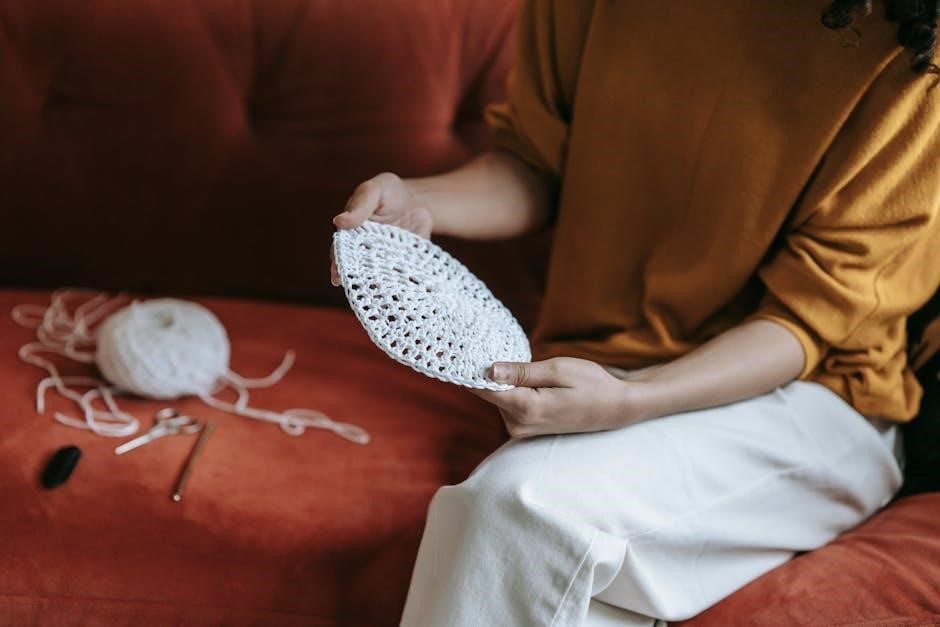
Crochet, while wonderfully relaxing, isn’t immune to errors! Don’t panic when you spot a mistake – it happens to everyone, even seasoned crocheters. For simple cardigan patterns, identifying the error is the first step. If you catch it quickly, simply unravel back to the mistake and redo the stitches.
Use a crochet hook to carefully pull the yarn, stitch by stitch, until you reach the point of the error. For more complex mistakes, or those discovered further into your work, consider using stitch markers to pinpoint the problem area. Sometimes, weaving in ends can disguise minor imperfections, but addressing the issue directly is always best for a polished finish. Remember, patience is key!
Adjusting Pattern Sizes
Many free crochet cardigan patterns are written for a standard size, but adjustments are often needed for a perfect fit. To increase or decrease size, consider adding or removing rows or stitches. Gauge is crucial – crochet a swatch using the specified yarn and hook to ensure your stitches match the pattern’s gauge.
If your gauge is different, adjust your hook size accordingly. For length adjustments, add or subtract rows in the body and sleeves. Width can be altered by increasing or decreasing stitch counts. Remember to make changes evenly across both front and back panels for symmetry. Always check your measurements frequently during the process!
Dealing with Uneven Edges
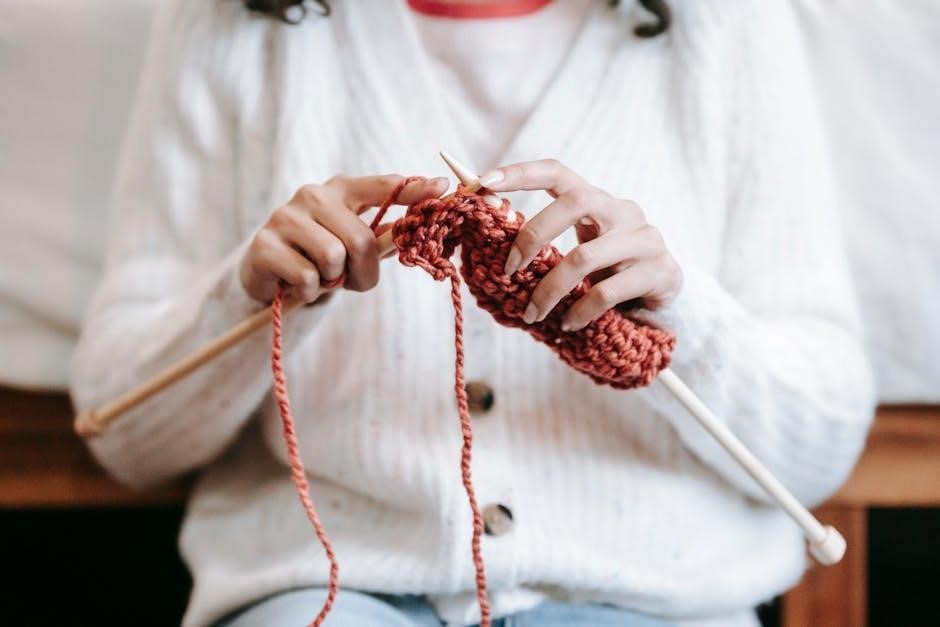
Uneven edges are a common challenge in crochet, especially for beginners. To minimize this, maintain consistent tension throughout your work. Count your stitches at the end of each row to ensure accuracy. Blocking is a fantastic technique – wet or steam block your finished cardigan to even out stitches and shape the fabric.
If edges remain uneven, consider adding a border. A simple single crochet or picot edge can neatly conceal imperfections. For significant unevenness, carefully unravel a few rows and re-crochet, paying close attention to stitch placement. Don’t be afraid to frog (unravel) and restart if needed – a neat finish is worth the effort!
Cardigan Style Variations
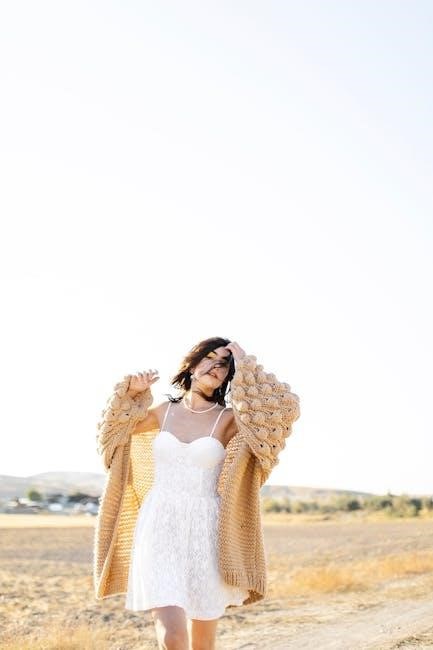
Explore diverse cardigan lengths – from cropped to longline. Experiment with collars like V-neck or shawl, and add functional, stylish pockets for personalized flair!
Long Cardigans vs. Short Cardigans
Choosing between a long or short crochet cardigan significantly impacts the overall look and functionality. Long cardigans, often hitting mid-thigh or even ankle-length, offer maximum warmth and a relaxed, bohemian vibe. They pair beautifully with leggings, jeans, or dresses, creating a layered and cozy ensemble. Short cardigans, typically ending at the waist or slightly below, provide a more fitted and polished appearance.
These are ideal for layering over tops and blouses, adding a touch of style without bulk. When selecting a pattern, consider your personal style and the intended use. A simple, free PDF pattern can easily be adapted to create either length. Longer versions often require more yarn, while shorter ones are quicker to complete, making them perfect for beginner projects.
Different Collar Styles (V-neck, Crew Neck, Shawl Collar)
The collar dramatically alters a crochet cardigan’s aesthetic. V-neck cardigans offer a flattering and versatile look, elongating the neckline and pairing well with various tops. Crew neck styles provide a classic, cozy feel, perfect for cooler weather and a more casual appearance. Shawl collar cardigans introduce a relaxed, elegant touch, draping beautifully and adding a sophisticated element.
Simple crochet cardigan patterns often feature straightforward crew necks or V-necks, ideal for beginners. Free PDF patterns frequently include instructions for adapting the collar style to your preference. Experimenting with different edging techniques can further customize the collar’s shape and finish, adding a unique touch to your handmade garment.
Adding Pockets to Your Cardigan
Pockets elevate a crochet cardigan from functional to fabulous! Simple crochet cardigan patterns can easily be adapted to include pockets, adding practicality and style. Free PDF patterns sometimes incorporate pocket instructions directly, while others allow for customization. Typically, pockets are crocheted separately and then sewn onto the front panels of the cardigan.
Consider the size and shape of your pockets – patch pockets are easiest for beginners. Experiment with different stitch patterns for the pockets to create visual interest. Reinforcing the pocket openings with a round of single crochet ensures durability. Adding pockets transforms a basic cardigan into a truly personalized and useful wardrobe staple.