Nexpeak Battery Charger Manual: A Comprehensive Guide
This manual provides detailed instructions for NEXPEAK chargers (NC215, NX501, NC175, NC202), covering safety, charging modes, and troubleshooting for optimal battery care․
NEXPEAK offers a diverse range of smart battery chargers designed for various battery types and vehicles․ These chargers, including models like the NC215, NX501, NC175, and NC202, utilize advanced technology to ensure safe and efficient charging․ NEXPEAK chargers support lead-acid, AGM, GEL, and LiFePO4 batteries, catering to cars, motorcycles, lawnmowers, and more․
Understanding the specific features and modes of your NEXPEAK charger is crucial for maximizing battery life and performance․ This guide will walk you through each aspect of operation․
Understanding Your Nexpeak Charger Model
NEXPEAK battery chargers come in various models, each with unique capabilities․ The NC215, NX501, NC175, and NC202 are popular choices, offering features like multiple charging modes (STD, AGM, GEL, WET, MOTORCYCLE, REPAIR) and compatibility with different battery types․
Before use, identify your specific model and familiarize yourself with its specifications․ Refer to the user manual for detailed information regarding voltage compatibility (6V, 12V, 24V) and optimal charging procedures for your battery․
Identifying Your Specific Nexpeak Model (NC215, NX501, NC175, NC202)
Determining your NEXPEAK model is crucial for accessing the correct user manual and ensuring proper operation․ Locate the model number – NC215, NX501, NC175, or NC202 – typically found on a label affixed to the charger’s casing․
Each model has distinct features and specifications․ Downloading the corresponding manual (available online) provides detailed guidance tailored to your specific NEXPEAK battery charger, maximizing its performance and safety․
Key Features and Specifications
NEXPEAK chargers boast multiple charging modes – STD, AGM/GEL, WET, MOTORCYCLE, and REPAIR – catering to diverse battery types and conditions․ They support 6V, 12V, and 24V systems, and are compatible with lead-acid and LiFePO4 batteries․
Smart technology ensures fully automatic operation, including desulfation for reviving aged batteries․ Features include overcharge protection, reverse polarity protection, and short-circuit protection, enhancing safety and longevity․
Safety Precautions
Prior to use, carefully read all safety instructions to prevent electrical shock and battery explosion․ Ensure proper ventilation during charging, as batteries release flammable gases․ Never charge damaged batteries or those showing signs of leakage․
Always connect the charger to an earthed socket-outlet․ Disconnect the charger before making any connections or disconnections to the battery․ Do not expose the charger to rain or moisture, and keep it out of reach of children․
Important Safety Warnings
DANGER: Read and understand all safety information before operating this NEXPEAK charger․ Failure to follow these instructions could result in electrical shock, fire, or battery explosion․ Stop charging immediately if the battery overheats․
Only charge 12V and 24V lead-acid and LiFePO4 batteries․ Never attempt to charge non-rechargeable batteries․ Do not disassemble the charger; it contains no user-serviceable parts․ Always disconnect the AC power before working on the battery․
Preventing Battery Explosion & Electrical Shock
To prevent battery explosion, ensure adequate ventilation during charging․ Do not smoke or allow sparks near the battery․ The charger must be plugged into an earthed socket-outlet․ Avoid short-circuiting the terminals, and always connect the charger to the battery before plugging it in․
To avoid electrical shock, never touch the charger’s clips while it’s connected to AC power․ Inspect cables regularly for damage, and do not use a damaged charger․ Keep the charger dry and away from flammable materials․
Charging Modes Explained
NEXPEAK chargers feature six modes: STD, AGM/GEL, WET, MOTORCYCLE, and REPAIR․ STD is for standard lead-acid batteries․ AGM/GEL is optimized for absorbent glass mat and gel electrolyte batteries․ WET supports traditional flooded batteries․ MOTORCYCLE mode provides a lower charge rate for motorcycle batteries․
The REPAIR mode utilizes desulfation to recover deeply discharged batteries․ Select the appropriate mode by pressing the MODE SELECTION button, ensuring compatibility with your battery type for optimal charging․
STD (Standard) Charging Mode
The STD mode is designed for charging conventional 12V or 24V lead-acid batteries․ It employs a multi-stage charging process, including constant current, constant voltage, and float charging, to efficiently and safely replenish the battery’s energy․ This mode is suitable for most automotive, marine, and general-purpose lead-acid batteries․
Ensure the battery voltage matches the charger’s setting before initiating the charging cycle in STD mode for optimal performance and longevity․
AGM/GEL Charging Mode
The AGM/GEL mode is specifically tailored for Absorbed Glass Mat (AGM) and Gel electrolyte lead-acid batteries․ These batteries require a different charging profile than conventional flooded batteries due to their unique construction and lower gas output․ Selecting this mode ensures proper voltage regulation and prevents overcharging, extending the battery’s lifespan․
Using the incorrect charging mode can significantly damage AGM or GEL batteries, so always verify the battery type before selection․
WET (Flooded) Charging Mode
The WET charging mode is designed for traditional flooded lead-acid batteries, commonly found in cars, motorcycles, and boats․ This mode delivers a charging profile optimized for batteries that require periodic water level checks and produce hydrogen gas during charging․ It utilizes a multi-stage charging process to efficiently replenish the battery’s charge․

Ensure adequate ventilation when charging flooded batteries to dissipate any released gases safely․
MOTORCYCLE Charging Mode
The MOTORCYCLE charging mode is specifically tailored for the smaller capacity batteries often used in motorcycles, ATVs, and scooters․ This mode delivers a lower charging current, preventing overcharging and potential damage to these sensitive batteries․ It’s ideal for maintaining battery health during periods of inactivity, like winter storage․
Regular use of this mode extends battery lifespan and ensures reliable starting performance․
REPAIR (Desulfation) Charging Mode
The REPAIR mode, also known as desulfation, is designed to revitalize deeply discharged lead-acid batteries by breaking down sulfate crystals that build up on the plates․ This process can restore lost battery capacity and extend its lifespan, potentially rescuing batteries that would otherwise be discarded․
However, success isn’t guaranteed, and severely damaged batteries may not be recoverable․ Use with caution and monitor closely․
Charging Instructions
Before commencing, carefully read all safety instructions and prepare the battery for charging by inspecting it for damage and ensuring proper ventilation․ Connect the charger to the battery, observing correct polarity – red clamp to positive (+), black clamp to negative (-)․
Ensure a secure connection before initiating the charging process․ Always prioritize safety and follow the specific mode guidelines for optimal results and battery longevity․
Preparing the Battery for Charging
Prior to charging, thoroughly inspect the battery for any visible damage, such as cracks or leaks․ Ensure the battery is in a well-ventilated area, free from flammable materials․ Clean the battery terminals to remove corrosion, ensuring a solid electrical connection․
Check the battery’s voltage to determine its state of discharge․ Always refer to the battery manufacturer’s recommendations for specific preparation guidelines before connecting the charger․
Connecting the Charger to the Battery
First, ensure the charger is switched off before making any connections․ Attach the red (positive) clamp to the positive terminal of the battery, and the black (negative) clamp to the negative terminal․ Double-check the polarity to prevent short circuits and potential damage․
Confirm secure connections, avoiding loose clamps․ Finally, plug the charger into a grounded electrical outlet, and then switch the charger on to begin the charging process․
Technical Specifications
NEXPEAK chargers support 6V, 12V, and 24V battery systems, offering versatile charging options․ These chargers are designed for lead-acid batteries (WET, AGM, GEL) and increasingly, LiFePO4 batteries, catering to diverse needs․
Amperage varies by model (1․75A, for example, in the NC175), influencing charging speed․ Input voltage is typically 100-240V AC, ensuring global compatibility․ Always refer to your specific model’s documentation for precise specifications․
Voltage Compatibility (6V, 12V, 24V)
NEXPEAK battery chargers demonstrate broad voltage compatibility, supporting 6V, 12V, and 24V battery systems․ This versatility allows charging of batteries found in various applications – from small motorcycle batteries (6V) to automotive and marine batteries (12V/24V)․
Automatic voltage detection simplifies the process; however, always verify the battery’s voltage before connecting․ Incorrect voltage selection can damage the battery or the charger itself․ Refer to your charger’s display for confirmation․
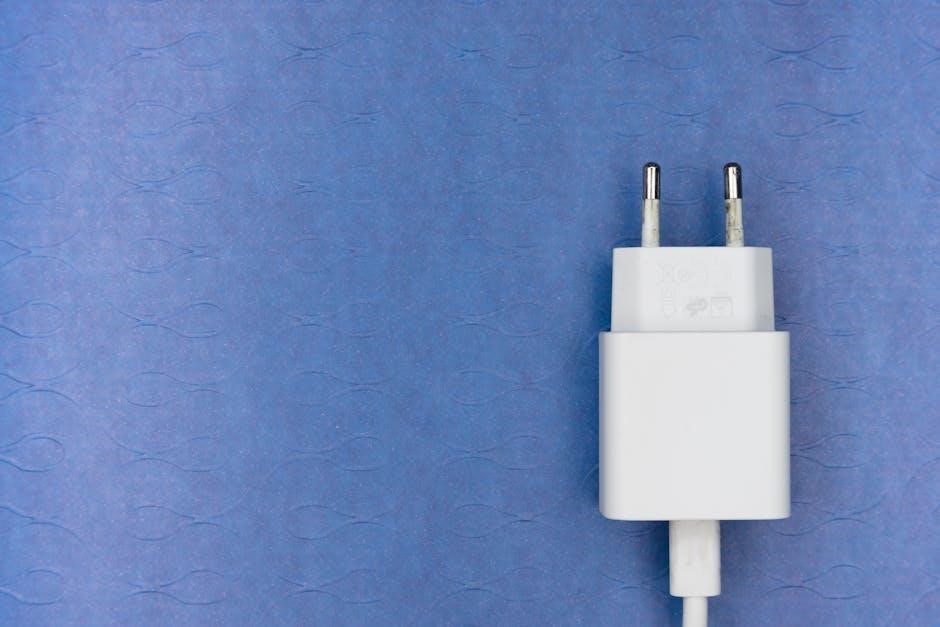
Battery Types Supported (Lead-Acid, LiFePO4)
NEXPEAK chargers are designed to work with both lead-acid and lithium iron phosphate (LiFePO4) batteries․ Lead-acid support includes flooded (WET), absorbent glass mat (AGM), and gel batteries, catering to a wide range of vehicles and equipment․
For LiFePO4 batteries, select the appropriate charging profile to ensure safe and efficient charging․ Using the wrong profile can significantly reduce battery lifespan or cause damage․ Always consult the battery manufacturer’s recommendations․
Troubleshooting Common Issues
If the charger doesn’t power on, verify the AC power cord is securely connected to both the charger and a functioning outlet․ Check the fuse if equipped․ If the battery isn’t charging, ensure correct polarity – red to positive, black to negative․
Confirm the selected charging mode matches the battery type․ A faulty battery or loose connections can also prevent charging․ If issues persist, consult the full user manual or contact NEXPEAK support․
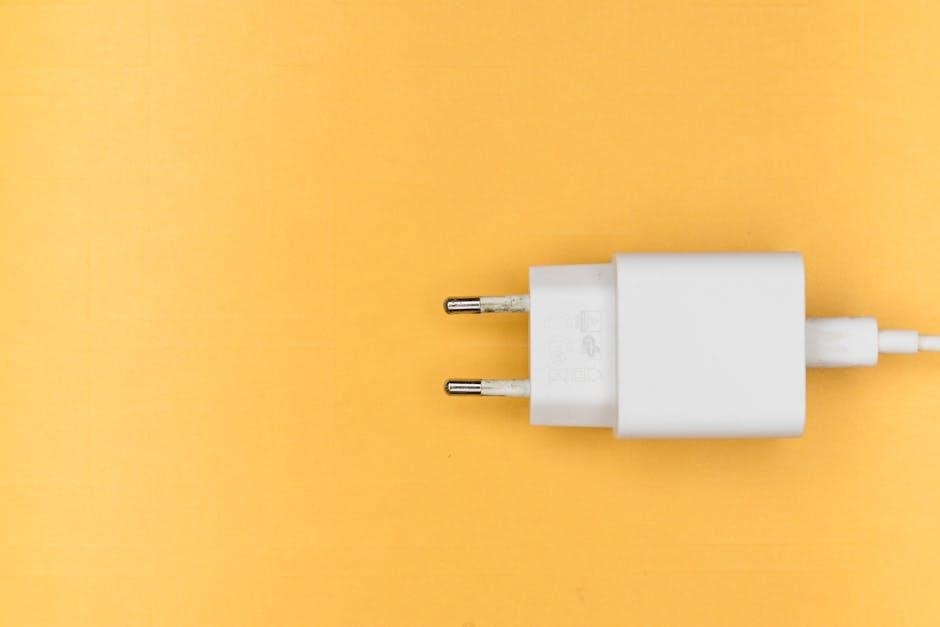
Charger Not Turning On
If your NEXPEAK charger fails to power on, first confirm the AC power cord is firmly plugged into both the charger itself and a working electrical outlet․ Inspect the power cord for any visible damage․
Some models include an internal fuse; check and replace it if necessary․ Ensure the outlet is receiving power by testing it with another device․ If these steps don’t resolve the issue, consult the complete user manual for further assistance․
Battery Not Charging
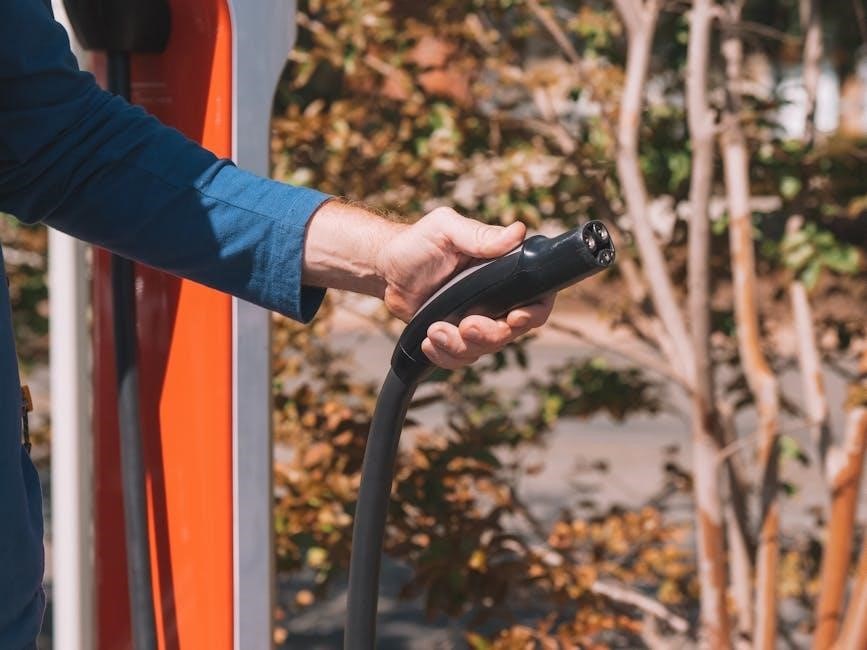
If the battery isn’t charging, verify the charger’s clamps are securely connected to the battery terminals – red to positive (+), black to negative (-)․ Confirm the selected charging mode (STD, AGM, WET, etc․) is appropriate for your battery type․
A severely discharged or sulfated battery may require the REPAIR mode․ Check for reversed polarity connections, as this can prevent charging; Refer to the manual for specific troubleshooting steps related to your model․
Maintenance and Care
To ensure longevity, periodically clean the charger’s exterior with a dry cloth․ Avoid using water or solvents․ Inspect the DC cables and clamps for damage – replace if frayed or cracked․ Store the charger in a cool, dry environment, away from direct sunlight and extreme temperatures․
Proper storage prevents corrosion and maintains optimal performance․ Regularly check the AC power cord for any signs of wear․ Following these simple steps will keep your Nexpeak charger reliable․
Cleaning the Charger
Regular cleaning maintains your Nexpeak charger’s performance․ Always disconnect the charger from the power outlet before cleaning․ Use a soft, dry cloth to wipe down the exterior casing, removing any dust or debris․ Avoid using water, solvents, or abrasive cleaners, as these can damage the unit․
Pay particular attention to the DC terminals and clamps, ensuring they are free from corrosion․ A clean charger operates more efficiently and safely, extending its lifespan․
Storing the Charger
Proper storage ensures your Nexpeak charger remains in optimal condition․ Before storing, ensure the charger is completely dry and clean․ Disconnect the AC power cord and store it neatly within the charger’s housing, if applicable․ Keep the charger in a cool, dry environment, away from direct sunlight and extreme temperatures․
Avoid storing the charger in damp or dusty locations․ This prevents corrosion and maintains its functionality for future use, prolonging its operational life․
Warranty Information
Nexpeak provides a warranty covering defects in materials and workmanship for a specified period from the date of purchase․ This warranty doesn’t cover damage from misuse, accidents, or unauthorized modifications․ To claim warranty service, retain your proof of purchase and contact Nexpeak support․
Warranty coverage includes repair or replacement of the defective unit, at Nexpeak’s discretion․ Shipping costs for warranty claims may apply․ Full warranty details are available in the product documentation․
Nexpeak Warranty Coverage
Nexpeak’s warranty safeguards against defects in materials and workmanship under normal use․ Coverage extends for a defined period, typically one year, from the original purchase date․ This warranty excludes damage resulting from improper use, neglect, unauthorized repairs, or acts of nature․
The warranty provides for repair or replacement, at Nexpeak’s option, of the defective product․ Proof of purchase is essential for all warranty claims․ This warranty offers limited coverage and does not include incidental or consequential damages․
Contacting Nexpeak Support
For assistance with your Nexpeak battery charger, reach out to their dedicated support team․ While specific contact details may vary, generally, you can find support information on the official Nexpeak website or within the product’s documentation․
Expect options like email support, online contact forms, or potentially a customer service phone line․ Be prepared to provide your model number and purchase details to expedite the support process․ Prompt and helpful assistance is their priority․
Understanding the LED Indicators
Nexpeak chargers utilize LED indicators to communicate the charging status and battery condition․ A solid red light often signifies a charging process, while a flashing red may indicate an error or improper connection․ Green typically denotes a fully charged battery, and yellow could signal a repair or desulfation mode․
Refer to your specific model’s manual for a detailed breakdown of each LED’s meaning, ensuring accurate interpretation of the charger’s operational state and battery health․
LED Display Meanings
Red Solid: Charging in progress, indicating the battery is receiving power․ Red Flashing: Potential issue – check connections or battery health․ Green Solid: Battery fully charged and maintained․ Yellow: Repair mode active, attempting battery recovery․
No Light: Charger may not be powered on or a fault exists․ Consult the manual for specific error codes or troubleshooting steps related to your Nexpeak model․
User Manual Resources
Access comprehensive NEXPEAK charger manuals online for detailed guidance․ Download the Nexpeak NC215 manual for specific instructions on that model’s features and operation․ Similarly, find the Nexpeak NX501 manual, available in English and German, for its advanced functionalities․
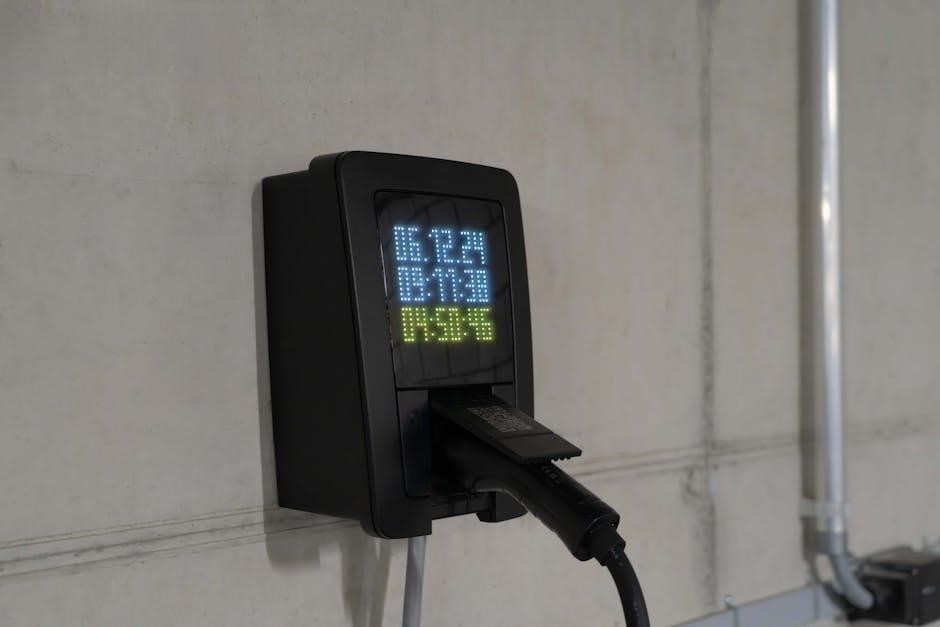
Additional resources include manuals for the NC175 and NC202, providing essential information for safe and effective battery charging․ These resources ensure optimal performance and longevity․
Downloading the Nexpeak NC215 Manual
The Nexpeak NC215 user manual, a 7MB PDF document, is readily available online for convenient access․ This manual details all aspects of the NC215 battery charger, including safety precautions, charging modes, and troubleshooting steps․ Users can easily download and review this resource to maximize their charging experience․
It provides a comprehensive guide to understanding the charger’s features and ensuring optimal battery maintenance․ Accessing this manual guarantees safe and efficient operation․
Accessing the Nexpeak NX501 Manual
The Nexpeak NX501 user manual, version 2․1․6, is available as a 726KB file, typically in English and German․ This document offers detailed guidance on operating the NX501 smart battery charger, covering its various functions and safety features․ Users can download this manual to fully understand the charger’s capabilities․
It ensures proper usage and maximizes the lifespan of your batteries, providing essential troubleshooting information and operational instructions․
Frequently Asked Questions (FAQ)
Common questions often involve proper charging modes for different battery types – STD, AGM/GEL, WET, MOTORCYCLE, and REPAIR․ Users frequently inquire about LED indicator meanings and troubleshooting steps when the charger won’t turn on or a battery isn’t charging․
Safety concerns, like preventing overheating or explosion, are also frequently addressed․ Refer to the manual for detailed answers and always prioritize safety instructions․
Safety Information Recap
Always read all safety information before using your NEXPEAK charger to prevent electrical shock, battery explosion, or damage․ Ensure the charger is used only with 12V and 24V lead-acid and LiFePO4 batteries․ Never charge a damaged battery․
Plug the charger into a properly grounded outlet and avoid charging in wet or flammable environments․ Disconnect the charger before cleaning and follow all provided instructions carefully․