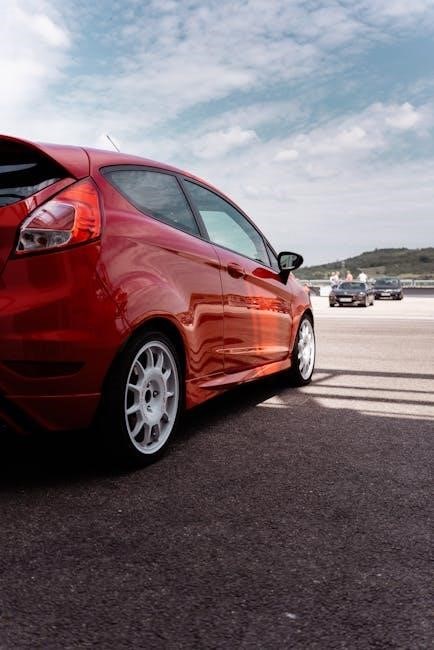
The 2012 Ford Fiesta user manual details a compact car known for its fuel efficiency and nimble handling. Recent online discussions highlight concerns regarding timing belt replacements, now recommended every six years or 160,000km, and issues with tire pressure monitoring systems.
Model Overview & Key Features
The 2012 Ford Fiesta presents a subcompact car with notable features, including a responsive driving experience and available technologies. Online forums reveal user experiences with diesel models encountering TPMS errors and heating system malfunctions. The Fiesta’s EcoBoost engine options prioritize fuel economy, while discussions also touch upon older models like the Anglia and Transit, showcasing Ford’s diverse history and ongoing evolution of vehicle maintenance schedules, like the recent timing belt update.

Understanding Your Fiesta’s Dashboard
The dashboard displays crucial vehicle information. Recent posts mention confusion regarding indicator lights on Ford Puma dashboards and heating issues in Mondéo models, emphasizing the importance of understanding warning signals.
Dashboard Symbols and Warning Lights
Familiarize yourself with the Fiesta’s dashboard symbols for safe operation. Online forums reveal user anxieties about TPMS errors, indicated by a specific dashboard light. Understanding these alerts – from low fuel to engine malfunctions – is vital. Ignoring warning lights can lead to more significant, costly repairs. Consult your owner’s manual for detailed explanations of each symbol and recommended actions when illuminated, ensuring prompt attention to potential issues.
Instrument Cluster Information
The 2012 Fiesta’s instrument cluster displays crucial vehicle data. Beyond speed and fuel levels, it often includes trip information, average fuel economy, and external temperature readings. Recent online posts mention difficulties interpreting Puma dashboard indicators, highlighting the importance of the user manual. Pay attention to any illuminated warning lights, as discussed previously, and refer to the manual for detailed explanations of all displayed information.
Starting and Stopping the Engine
The 2012 Fiesta’s engine operation is detailed in the manual. Discussions reveal potential issues with Ford vehicles, emphasizing the need to understand emergency stop procedures.
Ignition System Operation
The 2012 Ford Fiesta utilizes a key-based ignition system. Inserting the key initiates the electrical systems, preparing for engine start. Turning the key to the ‘start’ position engages the starter motor, initiating combustion. Ensure the parking brake is engaged before starting. Familiarize yourself with the system’s nuances as described in the owner’s manual for optimal performance and safety, avoiding potential issues highlighted in recent online forums.
Emergency Engine Stop Procedure
In an emergency, immediately turn the ignition key to the ‘OFF’ position. This will cut power to the engine. Simultaneously, firmly apply the brakes; Maintain steering control while the vehicle coasts to a stop. Be aware of surrounding traffic. Refer to the owner’s manual for detailed instructions and safety precautions, especially considering recent online discussions about vehicle malfunctions.

Driving Your 2012 Ford Fiesta
This section covers steering, suspension, and braking. Online reports mention potential heating system issues and TPMS errors, so familiarize yourself with these systems before driving.
Steering and Suspension
The 2012 Ford Fiesta’s steering provides responsive handling, crucial for navigating various road conditions. The suspension system is tuned for a balance between comfort and control. Drivers should be aware of potential issues, as online forums discuss problems with Ford vehicles generally. Regular checks, as outlined in the manual, are vital for maintaining optimal performance and safety. Ensure proper tire inflation, as this directly impacts steering responsiveness and suspension effectiveness.
Braking System Details
The 2012 Ford Fiesta utilizes a hydraulic braking system with front ventilated discs and rear drums. The manual emphasizes regular inspection of brake pads, rotors, and fluid levels. Online discussions reveal potential issues with Ford braking systems, highlighting the importance of preventative maintenance. Familiarize yourself with the Anti-lock Braking System (ABS) functionality and its operation during emergency stops, as detailed within the owner’s guide.
Fueling and Fluid Checks
The 2012 Fiesta manual stresses using the correct fuel type and regularly checking oil and coolant levels. Online forums mention potential heating system problems requiring coolant top-ups.
Fuel Type and Capacity
Your 2012 Ford Fiesta is designed to operate optimally with unleaded gasoline, meeting a minimum octane rating of 87. Premium fuel is not required, but its use will not harm the engine. The fuel tank capacity is approximately 13.2 gallons (50 liters). Always refer to the owner’s manual for precise specifications and fueling instructions, ensuring safe and efficient operation. Online discussions haven’t specified fuel capacity issues.
Checking Engine Oil Level
Regularly checking your 2012 Ford Fiesta’s engine oil is crucial for longevity. Park on level ground and allow the engine to cool. Locate the dipstick, remove it, wipe clean, reinsert fully, and then remove again to read the level. It should fall between the minimum and maximum marks. Top up with the recommended oil type if needed, avoiding overfilling.
Coolant Level and Top-Up
Maintaining proper coolant levels in your 2012 Ford Fiesta prevents overheating. Check the coolant reservoir when the engine is cold – never open the radiator cap when hot! The level should be between the ‘Min’ and ‘Max’ marks. If low, carefully add the correct coolant mixture (typically 50/50 with distilled water) until full.

Tire Maintenance and Pressure
Proper tire care ensures safety and extends tire life. Online reports mention frequent TPMS errors in 2015 Fiestas, emphasizing regular pressure checks for optimal performance.
Tire Size and Specifications
Understanding your 2012 Ford Fiesta’s tire specifications is crucial for safe and efficient driving. While specific sizes vary based on trim level, common options include 175/65R14, 195/50R15, and 205/40R16. Always refer to the tire placard located on the driver’s side doorjamb for the manufacturer’s recommended size and load index. Using incorrect tires can negatively impact handling, braking, and fuel economy, potentially voiding warranty coverage. Regular inspection for wear and damage is also essential.
Checking and Inflating Tires
Regularly checking and inflating your 2012 Ford Fiesta’s tires is vital for safety and performance. Use a reliable tire pressure gauge to measure pressure when tires are cold. Refer to the doorjamb sticker for recommended PSI (pounds per square inch). Under-inflation causes overheating and wear, while over-inflation reduces grip. Inspect tires for cuts, bulges, and uneven wear. Addressing TPMS errors, as discussed online, requires resetting the system after inflation.

Lights and Visibility
The 2012 Ford Fiesta’s lighting system ensures optimal visibility. Online forums mention headlight adjustment procedures and proper windshield wiper/washer fluid operation for clear views.
Headlight Adjustment
Proper headlight adjustment is crucial for safe nighttime driving in your 2012 Ford Fiesta. Ensuring correct alignment maximizes visibility and avoids blinding oncoming traffic. While the manual provides detailed instructions, online discussions suggest checking the adjustment periodically, especially after carrying heavy loads. Incorrectly adjusted headlights significantly reduce visibility and can pose a safety hazard. Refer to the owner’s manual for specific procedures and recommended settings, or consult a qualified technician for assistance.
Windshield Wiper and Washer Operation
Your 2012 Ford Fiesta’s windshield wipers and washer system are vital for clear visibility. The manual details various wiper speeds and a wash/wipe function. Online forums reveal some owners experience issues with washer fluid delivery. Regularly check the washer fluid level and ensure the nozzles aren’t blocked. Proper maintenance guarantees optimal performance during inclement weather, enhancing driving safety and comfort.
In-Car Entertainment System
The 2012 Fiesta’s entertainment system features radio and audio controls, with Bluetooth connectivity options. Discussions mention potential compatibility issues, requiring manual setup for seamless device pairing.
Radio and Audio Controls
The 2012 Ford Fiesta’s radio offers AM/FM functionality, alongside an auxiliary input for external devices. Audio controls typically include a volume knob, tuning dial, and preset buttons for station selection. Users can navigate through various audio sources using the system’s interface. Online forums suggest occasional issues with radio reception, potentially requiring antenna adjustments. The system also supports CD playback, enhancing the in-car entertainment experience.
Bluetooth Connectivity
The 2012 Ford Fiesta’s Bluetooth system enables wireless audio streaming and hands-free calling. Pairing a device involves accessing the audio system’s settings and selecting “Bluetooth.” Once connected, users can make and receive calls, and enjoy music from their smartphones. Online reports indicate occasional pairing difficulties, potentially resolved by deleting previous connections and restarting the process. Ensure device compatibility for optimal functionality.

Climate Control System
The 2012 Fiesta’s climate system offers heating and air conditioning. Recent online posts detail heating issues in Ford models, suggesting potential system anomalies requiring professional diagnosis.
Air Conditioning Operation
To activate the air conditioning, ensure the engine is running and the climate control system is set to a cooling mode. The A/C button, typically marked with a snowflake symbol, must be pressed to engage the compressor. Adjust the fan speed and temperature controls for desired comfort. Online forums reveal some Ford owners have experienced climate control malfunctions, potentially requiring professional servicing to restore cooling functionality.
Heating System Functionality
The 2012 Ford Fiesta’s heating system operates by circulating engine coolant through the heater core. Adjust the temperature control knob to select the desired heat level, and use the fan speed control for airflow. Recent online reports indicate some Fiesta owners have encountered heating issues, potentially stemming from low coolant levels or a malfunctioning thermostat, necessitating repair.

Seats and Interior Features
The 2012 Ford Fiesta offers adjustable seating and various storage compartments. Online forums mention interior storage solutions, while some users report issues with seat adjustments and comfort.
Seat Adjustment and Positioning
The 2012 Ford Fiesta’s seats are designed for driver and passenger comfort, offering manual adjustments for positioning. These adjustments include fore/aft sliding, backrest recline, and height adjustment on select models. Proper seat positioning is crucial for safe driving and optimal control. Ensure a comfortable reach to the steering wheel and pedals, maintaining good visibility. Online discussions haven’t specifically detailed issues, but emphasize the importance of secure locking mechanisms after adjustment.
Interior Storage Compartments
The 2012 Ford Fiesta offers several interior storage solutions for convenience. These include door pockets, a glove compartment, a center console with cupholders, and a small storage area between the front seats. The rear passengers benefit from map pockets on the back of the front seats. While online forums don’t detail specific complaints, maximizing these spaces enhances the Fiesta’s practicality for daily use and longer journeys.
Maintenance Schedule
The 2012 Fiesta’s manual outlines regular servicing. Recent data suggests a timing belt replacement is crucial at 6 years/160,000km, a change from earlier recommendations.
Recommended Service Intervals
Ford Fiesta maintenance requires diligent adherence to scheduled intervals. Oil changes are typically recommended every 10,000-15,000 miles, or annually, whichever comes first. Air filter checks should occur every year, with replacement as needed. Spark plugs generally require attention around 60,000 miles. Critically, recent reports indicate the timing belt now necessitates replacement at 6 years or 160,000km, differing from older models – a vital update for owners to note.
Timing Belt Replacement (Based on recent data ― 6 years/160000km)
Recent data reveals a crucial update for Fiesta timing belt replacement. Previously recommended at 10 years/240,000km, it’s now advised every 6 years or 160,000km due to potential oil-related degradation, similar to Peugeot/Citroen PureTech engines. Ignoring this can lead to catastrophic engine failure; proactive replacement is essential for continued reliability and peace of mind.
Troubleshooting Common Issues
Common Fiesta problems include TPMS errors and heating system malfunctions. Online forums detail issues with undetected tire sensors and inconsistent heating performance, requiring diagnostic attention.
Dealing with Tire Pressure Monitoring System (TPMS) Errors
If the TPMS light illuminates, first ensure all tires are properly inflated to the recommended pressure. Several Fiesta owners have reported persistent “non-detected sensor” errors, even after inflation. Resetting the system (consult your owner’s manual) may help. If the issue persists, a sensor replacement or professional diagnostic check is likely needed, as faulty sensors are a common cause.
Addressing Heating System Problems
If your 2012 Ford Fiesta experiences heating issues, check coolant levels first, ensuring the engine is cool. Online forums reveal recurring problems with the heating system in Ford vehicles, including the Fiesta and Mondeo. Airlocks within the system can also cause poor heat output; bleeding the system may resolve this. If problems continue, professional diagnosis is recommended.
Safety Features
The 2012 Ford Fiesta’s safety includes an airbag system and seatbelts. Proper seatbelt usage is crucial, and the manual details maintenance for optimal protection in collisions.
Airbag System Information
Your 2012 Ford Fiesta is equipped with an advanced airbag system designed to provide crucial protection during a collision. The system includes front airbags for driver and passenger, and side airbags. Always ensure passengers, especially children, are properly restrained. Improper seating or modifications to the vehicle could affect airbag deployment. Refer to the owner’s manual for detailed information regarding airbag system components, operation, and safety precautions. Understanding these features is vital for maximizing safety.
Seatbelt Usage and Maintenance
Proper seatbelt use is the most effective safety measure in your 2012 Ford Fiesta. Always ensure all occupants are securely fastened before driving. Regularly inspect seatbelts for any signs of damage, fraying, or malfunction. Clean belts with mild soap and water only; avoid harsh chemicals. Replace damaged seatbelts immediately. Following these guidelines ensures optimal protection during a collision and maintains the system’s effectiveness.

Specifications
The 2012 Ford Fiesta’s specifications include various engine options and dimensions. Online resources confirm engine details, while weight and size information are readily available for reference.
Engine Specifications
The 2012 Ford Fiesta offered several engine choices, impacting performance and fuel economy. Commonly, a 1.6-liter four-cylinder engine produced around 120 horsepower. Discussions online mention a 1.5L diesel option was also available in some regions. These engines utilized various technologies for efficiency, and the user manual details specific oil requirements and maintenance schedules for each configuration, ensuring optimal operation and longevity;
Dimensions and Weight
The 2012 Ford Fiesta’s compact size contributed to its maneuverability. Typically, it measured around 178.1 inches in length and 67.1 inches in width. Curb weight varied based on trim and engine, generally ranging from 2,500 to 2,700 pounds. The user manual provides precise figures, crucial for understanding cargo capacity, parking considerations, and overall vehicle handling characteristics.