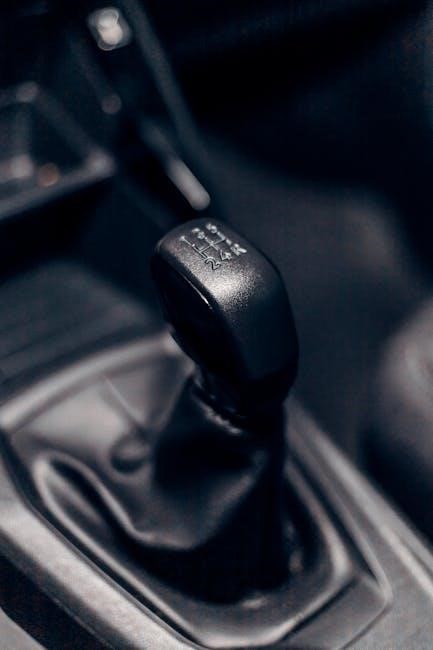
Despite the rise of automatics‚ a manual transmission offers a uniquely engaging driving experience‚ especially for a first car‚ fostering control and connection.
Many drivers find manuals enjoyable and practical‚ providing a skill that remains valuable even as technology advances‚ offering a sense of automotive mastery.
Learning to drive stick can be incredibly rewarding‚ offering a deeper understanding of vehicle mechanics and a more involved‚ satisfying driving experience overall.
Why Choose Manual in a Modern World?
In an era of effortless automatics‚ opting for a manual transmission might seem counterintuitive‚ yet it presents compelling advantages‚ particularly for a new driver. While CVTs and DCTs dominate‚ a manual fosters a deeper connection with the vehicle‚ demanding active participation and enhancing driver awareness.
This engagement translates to improved focus and control‚ skills beneficial for all drivers‚ but especially crucial for those gaining experience. A manual transmission forces you to anticipate‚ react‚ and truly drive the car‚ rather than simply operate it. Furthermore‚ manuals often come with a lower price tag‚ making them an economically sensible choice for a first car.
Beyond the financial aspect‚ mastering a manual is a valuable skill‚ potentially useful in various situations and offering a unique sense of accomplishment. It’s a skill that isn’t easily forgotten‚ and can even be enjoyable!
Benefits Beyond Cost: Driver Engagement & Control
The advantages of a manual transmission extend far beyond simply saving money on the initial purchase. A manual gearbox actively involves the driver in the operation of the vehicle‚ fostering a heightened sense of control and awareness. This direct connection enhances the driving experience‚ making it more engaging and rewarding.
Unlike automatics‚ manuals require you to anticipate gear changes‚ manage engine speed‚ and coordinate clutch and throttle inputs. This active participation sharpens reflexes and improves overall driving skill. The feeling of perfectly executing a shift‚ and the responsiveness it provides‚ is a unique pleasure many automatic drivers miss.
Ultimately‚ driving a manual isn’t just about getting from point A to point B; it’s about how you get there‚ and the enjoyment derived from the process itself.
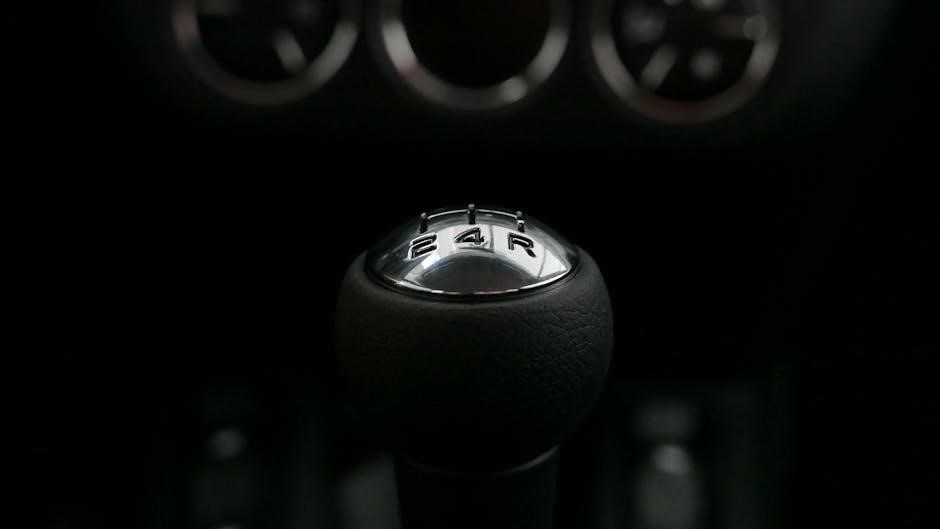
Top Manual Cars for New Drivers – Budget-Friendly Options
For new drivers seeking affordability and learnability‚ several older models stand out‚ offering a forgiving manual experience without breaking the bank.
Honda Civic (Older Generations — 2006-2015)
The Honda Civic‚ particularly from the 2006-2015 generations‚ consistently appears on lists of recommended first manual cars‚ and for good reason. These Civics offer a remarkably balanced driving experience‚ blending reliability with a relatively easy-to-manage manual gearbox.
The clutch isn’t overly heavy‚ making it less fatiguing for new drivers still developing leg strength and coordination. Furthermore‚ the Civic’s shifter provides clear gate selection‚ reducing missed shifts and promoting confidence. Parts availability is excellent‚ meaning repairs are generally affordable and straightforward.
Beyond the mechanical aspects‚ the Civic boasts Honda’s renowned dependability‚ minimizing the chances of unexpected breakdowns. Fuel economy is also a significant plus‚ making it a practical choice for budget-conscious learners. It’s a car that encourages learning without being intimidating.
Mazda3 (2004-2018) – Known for its Handling
The Mazda3‚ spanning the 2004-2018 model years‚ presents a compelling option for aspiring manual drivers who value a more engaging experience. Unlike some of its competitors‚ the Mazda3 prioritizes driving dynamics‚ offering surprisingly sharp handling and responsive steering – even in earlier generations.
While slightly more demanding than a Honda Civic‚ the Mazda3’s manual gearbox is still relatively forgiving‚ providing a satisfying mechanical feel. The clutch weight is moderate‚ and the shift throws are precise. This encourages proper technique and builds driver skill.
Its sporty character doesn’t come at the expense of practicality; the Mazda3 remains a comfortable and reliable daily driver. Finding a well-maintained example is key‚ but it’s a car that rewards enthusiastic driving and offers a genuine connection to the road.
Toyota Corolla (2003-2019) – Reliability Champion
For a first manual car‚ the Toyota Corolla (2003-2019) stands out as a paragon of dependability. Renowned for its legendary reliability‚ a used Corolla minimizes the risk of unexpected repairs‚ allowing new drivers to focus on mastering the art of stick shift.
The Corolla’s manual transmission is exceptionally user-friendly‚ featuring a light clutch and smooth‚ predictable gear changes. This makes it an ideal platform for learning without excessive frustration. While not particularly sporty‚ it provides a solid‚ dependable driving experience.
Its widespread availability also translates to affordable pricing and readily accessible parts. Choosing a Corolla means prioritizing peace of mind and long-term ownership‚ a valuable asset for a new driver.
Ford Fiesta (2002-2019) – Compact and Forgiving
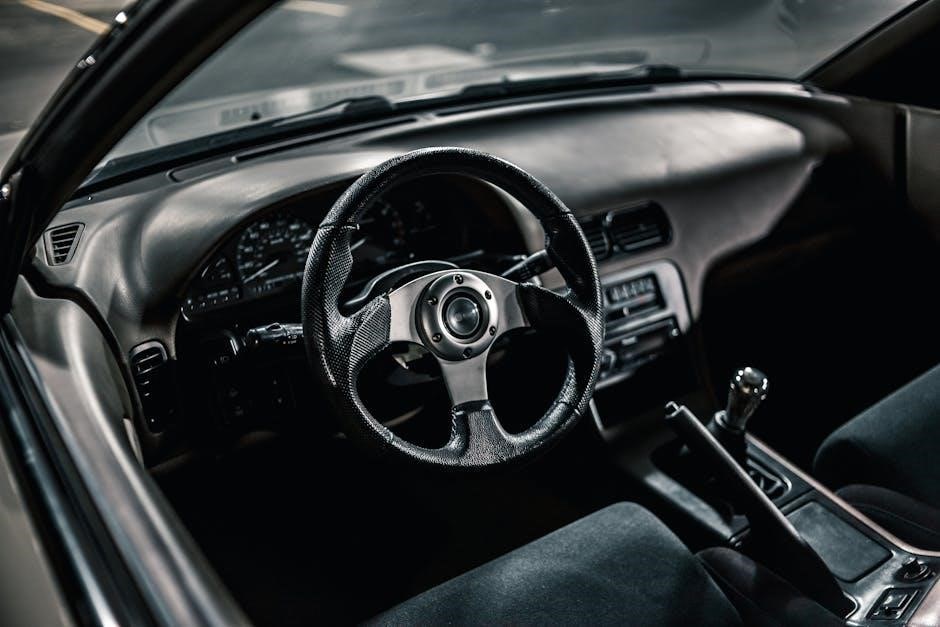
The Ford Fiesta (2002-2019) presents a compelling option as a first manual car‚ particularly for those navigating urban environments. Its compact size makes it incredibly maneuverable and easy to park‚ reducing stress for new drivers. The Fiesta’s forgiving nature extends to its manual transmission.
The clutch is relatively light‚ and the gearbox offers a straightforward‚ intuitive shifting experience. This allows beginners to quickly build confidence without feeling overwhelmed. While not brimming with power‚ it’s sufficient for everyday driving.
Fiestas are generally affordable and plentiful on the used market‚ making them accessible to budget-conscious buyers. It’s a practical and enjoyable choice for learning the ropes of manual driving.
Mid-Range Manual Cars – Stepping Up the Experience
These vehicles balance affordability with enhanced features and driving dynamics‚ offering a more refined experience for those comfortable with the basics.
Volkswagen Golf (Mk6 & Mk7) – Refined and Practical
The Volkswagen Golf‚ particularly the Mk6 (2009-2013) and Mk7 (2014-2020) generations‚ presents a compelling option for a first manual car. It strikes an excellent balance between practicality‚ refinement‚ and driving enjoyment. The Golf’s gearbox is generally praised for its precise and smooth operation‚ making it relatively forgiving for new manual drivers.
Its interior is well-built and comfortable‚ offering a more premium feel than some other budget-friendly choices. Furthermore‚ the Golf boasts good fuel economy and a reputation for reliability‚ minimizing potential maintenance headaches. Available in various trims and engine options‚ finding a suitable Golf within a reasonable budget is achievable. It’s a car that doesn’t feel like a compromise‚ even for a first-time driver.
Subaru Impreza (2008-2016) – All-Wheel Drive Confidence
For drivers seeking added security‚ especially in inclement weather‚ the Subaru Impreza (2008-2016) with a manual transmission is a strong contender. Its standard all-wheel-drive system provides exceptional traction and stability‚ boosting confidence for new drivers navigating challenging conditions. The Impreza’s manual gearbox is known for being reasonably straightforward‚ aiding the learning process.
Beyond its all-weather capability‚ the Impreza offers a practical hatchback or sedan body style‚ providing ample space for passengers and cargo. Subaru’s reputation for reliability is another significant advantage‚ potentially reducing long-term ownership costs. While not the sportiest option‚ the Impreza delivers a secure and dependable driving experience‚ ideal for building foundational skills.
Mini Cooper (R56 & F56) – Fun and Agile
The Mini Cooper (R56 and F56 generations) presents a uniquely engaging option for first-time manual drivers‚ prioritizing fun and agility. Its go-kart-like handling and responsive steering provide a connected driving experience that many find incredibly rewarding. The short throw of the manual gearbox encourages precise shifting‚ enhancing driver involvement.
However‚ potential buyers should be aware that the Mini’s clutch can be slightly heavier than some other options‚ requiring a bit more leg strength. Despite this‚ the car’s compact size and nimble nature make it forgiving to learn in‚ and its distinctive style adds a touch of personality. It’s a fantastic choice for those prioritizing driving enjoyment.
Factors to Consider When Choosing
Evaluating clutch feel‚ gearbox smoothness‚ and the presence of hill start assist are crucial for beginners selecting a manual car‚ ensuring a comfortable learning curve.
Clutch Feel and Weight – Importance for Beginners
For novice manual drivers‚ the clutch pedal’s feel is paramount. A lighter clutch requires less effort to depress‚ reducing fatigue during the initial learning phase and minimizing stalling.
Heavier clutches‚ while offering more control to experienced drivers‚ can be challenging for beginners‚ demanding greater leg strength and precise coordination.
A progressive clutch‚ where engagement is gradual and predictable‚ is far more forgiving than one that bites abruptly. This allows new drivers to more easily find the friction point.
Cars with a well-defined friction zone provide clearer feedback‚ helping learners understand when to release the clutch and apply the throttle for smooth starts. Avoiding overly sensitive or vague clutches is key.
Ultimately‚ a lighter‚ progressive clutch contributes significantly to a less stressful and more enjoyable learning experience‚ building confidence behind the wheel.
Gearbox Ratio and Smoothness – Ease of Shifting
A well-designed gearbox with appropriately spaced ratios is crucial for a positive first manual experience. Closer ratios offer more flexibility for spirited driving‚ but wider ratios can be more forgiving for beginners.
Smooth shifting is equally important. A gearbox that feels notchy or requires excessive force to change gears will frustrate new drivers and increase the likelihood of missed shifts.
Synchromesh quality plays a significant role; good synchros allow for seamless gear changes without grinding‚ even if the driver isn’t perfectly precise with their timing.
Look for cars where the shift lever falls naturally to hand and has a short throw‚ reducing the amount of movement needed to select each gear. This enhances control and responsiveness.
A smooth‚ easy-to-use gearbox builds confidence and makes learning the intricacies of manual driving far less daunting and more enjoyable overall.
Hill Start Assist – A Helpful Feature
For new manual drivers‚ hill starts can be particularly stressful‚ often leading to rolling backwards and potential stalling. Hill Start Assist (HSA) mitigates this issue significantly.
HSA temporarily holds the brakes when releasing the pedal on an incline‚ providing a few precious seconds to move your foot from the brake to the accelerator without rollback.
While not essential‚ HSA is a fantastic feature for building confidence and reducing anxiety during the learning process‚ especially in hilly areas.
It allows drivers to focus on coordinating the clutch and gas without the added pressure of preventing the car from sliding backwards.
Cars equipped with HSA make the transition to manual driving smoother and less intimidating‚ fostering a more positive learning experience.
Learning to Drive a Manual: Tips for Success
Patience and practice are key; find a quiet area to master the friction point and smooth starts‚ avoiding sudden movements and stalling.
Finding a Patient Teacher – Essential for Confidence
Embarking on the journey of learning to drive a manual transmission is significantly smoother with a supportive and understanding instructor. A patient teacher can calmly explain the intricacies of clutch control‚ gear selection‚ and coordinating movements‚ fostering a relaxed learning environment.
Avoid instructors who rush the process or become easily frustrated; a good teacher will tailor their approach to your pace and address your specific challenges. They’ll offer constructive feedback without criticism‚ building your confidence with each successful attempt.
Consider friends or family members who are proficient manual drivers‚ but ensure they possess the temperament to teach effectively. Professional driving instructors specializing in manual transmissions are also an excellent resource‚ providing structured lessons and expert guidance.
Mastering the Friction Point – The Key to Smooth Starts
The friction point‚ where the clutch begins to engage the engine‚ is fundamental to smooth manual driving. Identifying this point requires gentle clutch release while applying a small amount of throttle; listen for a slight engine note change and feel for subtle vibrations.
Practice finding the friction point repeatedly in a safe‚ open space. Hold the clutch at this point‚ maintaining a steady throttle‚ to prevent stalling and achieve controlled movement. Gradually increase throttle as you slowly release the clutch further.
Avoid releasing the clutch too quickly‚ which causes stalling‚ or dumping it‚ resulting in jerky starts. Consistent practice will build muscle memory‚ allowing you to instinctively find and hold the friction point for seamless launches.
Avoiding Stalling – Common Beginner Mistakes
Stalling is a nearly universal experience for new manual drivers‚ often stemming from releasing the clutch too quickly or insufficient throttle application. A common mistake is panicking and pressing the clutch in abruptly when the engine begins to bog down‚ reinforcing the stalling cycle.
Instead‚ focus on smooth‚ coordinated movements between the clutch and throttle. Anticipate the engine’s needs – a slight increase in throttle often prevents a stall. Practice gentle clutch control and learn to “feather” the gas pedal;
Remember that stalling isn’t failure; it’s a learning opportunity. Analyze what caused the stall and adjust your technique accordingly. With patience and practice‚ stalls will become increasingly rare.

Maintenance and Reliability of Manual Transmissions
Generally‚ manual transmissions are robust and reliable‚ but regular maintenance—like fluid checks and clutch inspections—is crucial for longevity and smooth operation.
Clutch Replacement – When and Why
The clutch is a wear-and-tear item‚ and its lifespan depends heavily on driving habits; aggressive driving and frequent stop-and-go traffic accelerate wear.
Signs indicating a need for clutch replacement include slipping gears‚ difficulty shifting‚ a spongy pedal feel‚ or unusual noises when engaging the clutch.
For a first car‚ understanding clutch operation is vital; neglecting symptoms can lead to more extensive and costly transmission damage down the road.
Typically‚ a clutch replacement is necessary after 50‚000 to 100‚000 miles‚ but this varies significantly; preventative maintenance and smooth driving extend its life.
Consider the cost of clutch replacement when budgeting for a manual car‚ as it’s a relatively common repair‚ especially for new drivers learning the ropes.
Transmission Fluid Changes – Maintaining Smooth Operation
Regular transmission fluid changes are crucial for a manual gearbox’s longevity‚ ensuring smooth shifting and preventing internal wear and damage.
Unlike automatic transmissions‚ manual transmissions often have less frequent fluid change intervals‚ typically every 30‚000 to 60‚000 miles‚ but check the owner’s manual.
Old or contaminated fluid can lead to grinding gears‚ difficulty shifting‚ and ultimately‚ costly repairs; maintaining fluid levels is paramount;
For a first car‚ understanding this simple maintenance task empowers new owners to proactively care for their vehicle and avoid potential issues.
Choosing the correct fluid type is essential; using the wrong fluid can cause significant damage‚ so always consult the vehicle’s specifications.
Common Manual Transmission Problems – What to Watch For
Potential issues with manual transmissions in older‚ budget-friendly first cars include worn synchronizers‚ causing grinding when shifting gears‚ especially into second.
A slipping clutch‚ indicated by engine revving without corresponding acceleration‚ is another common problem‚ often requiring replacement.
Difficulty getting into gear‚ or a notchy shift feel‚ can signal internal wear or low transmission fluid levels‚ demanding immediate attention.
Unusual noises‚ like whining or clunking‚ during operation should be investigated promptly‚ as they may indicate serious internal damage.
Being aware of these warning signs allows new drivers to address issues early‚ preventing more extensive and expensive repairs down the road.
The Resale Value of Manual Cars
Generally‚ manual cars depreciate faster due to declining demand‚ but well-maintained examples‚ especially those with enthusiast appeal‚ may hold value.
Declining Demand – Impact on Price
The shrinking pool of drivers able and willing to operate a manual transmission significantly impacts resale values. As automatics become overwhelmingly dominant‚ the market for stick-shift vehicles naturally contracts‚ leading to lower prices compared to their automatic counterparts.
This isn’t to say a manual car is worthless; rather‚ expect a potentially steeper depreciation curve. Fewer buyers translate to less competition when selling‚ forcing owners to accept lower offers;
However‚ certain models‚ particularly those considered “driver’s cars” or possessing a strong enthusiast following‚ can buck this trend. These niche vehicles may retain more value due to dedicated demand‚ potentially even appreciating over time as collectibility increases.
Ultimately‚ understanding this market dynamic is crucial when considering a manual car‚ especially as a first vehicle‚ as resale value should be factored into the overall cost of ownership;
Niche Appeal – Potential for Future Collectibility
Despite the overall decline in demand‚ manual transmission cars possess a unique niche appeal‚ particularly among driving enthusiasts who value engagement and control. This dedicated following creates a pocket of sustained interest‚ potentially leading to future collectibility.
Certain models‚ especially those representing a specific era of driving or possessing a particularly engaging driving experience‚ are likely to become sought-after classics.
As the number of available manual cars dwindles‚ their rarity will increase‚ potentially driving up values for well-maintained examples. This makes selecting a manual car‚ even as a first vehicle‚ a potentially sound investment.
While not guaranteed‚ the possibility of future appreciation adds another layer of appeal to owning a manual transmission vehicle‚ beyond the immediate driving enjoyment.
Alternatives to Consider
Modern automatics with manual modes offer a compromise‚ providing convenience with some driver control‚ bridging the gap for those hesitant about a full manual.
Automatic Transmissions with Manual Modes
For those intrigued by the idea of driver engagement but apprehensive about mastering a full manual transmission‚ automatic transmissions featuring manual modes present a compelling alternative. These systems‚ often utilizing paddle shifters or a selectable gear range‚ allow drivers to override the automatic gear selection and choose gears themselves.
While not replicating the complete control of a true manual‚ they offer a degree of involvement that standard automatics lack. This can be a beneficial stepping stone for new drivers‚ providing a taste of manual control without the steep learning curve and potential for stalling.
However‚ it’s crucial to understand that these systems aren’t identical to manuals; the computer still manages clutch operation and may intervene to prevent damage. They represent a blend of convenience and control‚ suitable for those seeking a middle ground.
Ultimately‚ deciding if a manual car is the right choice for your first vehicle hinges on personal preference and driving priorities. While automatics dominate the market for their ease of use‚ a manual offers a unique connection to the driving experience‚ fostering engagement and control.
If you’re eager to learn a valuable skill‚ enjoy a more involved driving style‚ and potentially benefit from lower initial costs‚ a manual is worth considering. However‚ be prepared for a learning curve and the occasional stall.
Weigh the pros and cons carefully‚ and perhaps test drive both automatic and manual options before making a decision. The best first car is the one that best suits your needs and makes you a confident‚ safe driver.